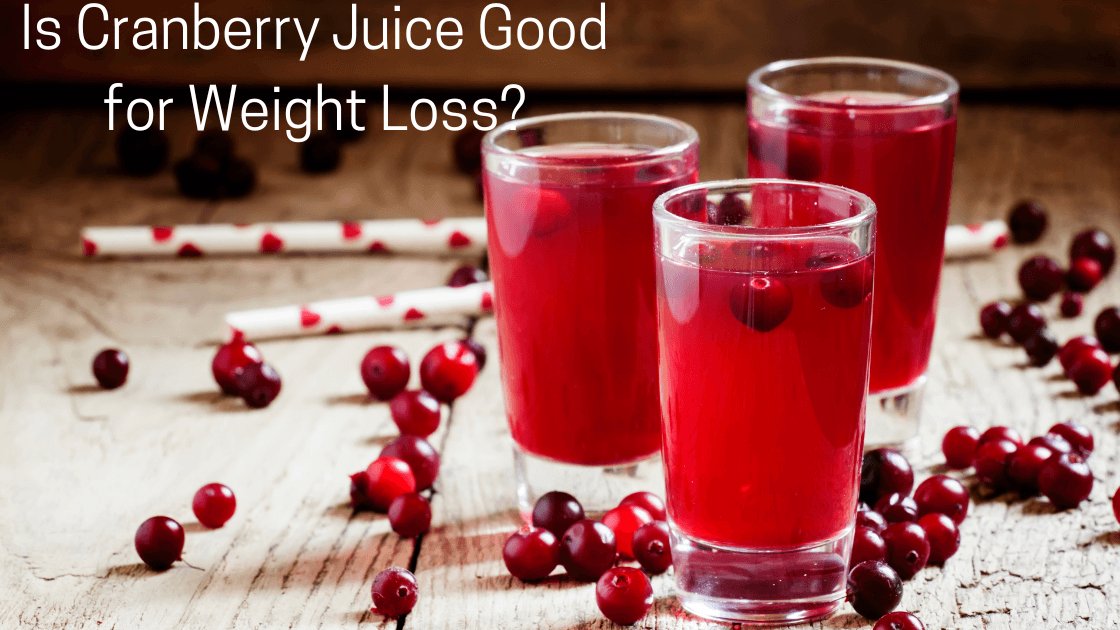

If you’ve ever typed “is cranberry juice good for weight loss” into a search engine, you’ve probably been met with a mix of enthusiastic claims and cautious disclaimers.
The truth, as usual, sits somewhere in the middle, and that’s exactly what we’re going to unpack here.
Cranberry juice is a popular kitchen staple, widely celebrated for its role in urinary tract health. But in recent years, it’s earned a spot in the weight loss conversation too.
So does it actually help you shed pounds, or is it just clever marketing dressed up in a ruby-red glass?
Let’s get into the science, the caveats, and the smart way to use cranberry juice if weight loss is your goal.
What Is Cranberry Juice, Exactly?
Before we talk weight loss, it helps to understand what you’re actually drinking. Pure, unsweetened cranberry juice is pressed from whole cranberries and contains a rich concentration of antioxidants, vitamins, and plant compounds, including proanthocyanidins, quercetin, myricetin, and vitamin C.
It’s tart. Very tart. Which is why most commercial cranberry juices are heavily sweetened or diluted into a “cocktail” blend.
That distinction matters enormously when it comes to weight loss, more on that shortly.
Cranberry Juice Nutrition Facts (Per 8 oz Serving)
| Type | Calories | Sugar |
|---|---|---|
| Unsweetened, pure cranberry juice | ~104 calories | ~30g (natural) |
| 100% Cranberry juice (e.g. Ocean Spray) | ~140 calories | ~30–34g |
| Cranberry juice cocktail | ~120–140 calories | ~30g+ (added) |
As you can see, even unsweetened cranberry juice is not a low-calorie, low-sugar drink.
This is the single most important thing to keep in mind when evaluating its role in a weight loss plan.
The Case FOR Cranberry Juice and Weight Loss
Let’s give credit where it’s due. There are legitimate reasons why cranberry juice shows up in the weight loss world, and some of the research is genuinely promising.
Rich in Antioxidants That Fight Inflammation
Chronic inflammation is increasingly recognized as a hidden driver of weight gain and metabolic dysfunction.
Cranberries contain some of the most potent antioxidants in the fruit kingdom — particularly proanthocyanidins and anthocyanins, which help combat oxidative stress and inflammation in the body.
Research published in a peer-reviewed scientific review found that cranberry consumption can improve insulin resistance, improve the plasma lipid profile, and reduce diet-induced weight gain and markers of oxidative stress.
These are meaningful metabolic benefits, even if they don’t translate directly to “drinking cranberry juice melts fat.”
May Support Liver Function and Fat Metabolism
Cranberry polyphenols have been studied for their positive effects on hepatic (liver) lipid metabolism, meaning they may help the liver process fats more efficiently. A well-functioning liver is central to fat burning, so this is a meaningful indirect benefit.
Associated with Smaller Waistlines in Observational Studies
A study published in the journal Nutrients found that people who regularly consumed at least 7.5 ounces of 100% unsweetened cranberry juice per day were less likely to be overweight compared to non-drinkers.
While this is observational (meaning it shows correlation, not causation), it’s a consistent finding worth noting.
May Disrupt Fat Cell Formation
Some preclinical research suggests that cranberry compounds may interfere with the formation of new fat cells (adipogenesis) in the body.
Animal studies have shown that cranberry extract can reduce body weight and improve insulin sensitivity in mice on a high-fat diet. Human trials remain limited, but the mechanism is biologically plausible.
Keeps You Hydrated
This one is underrated. Adequate hydration is genuinely important for metabolism, appetite regulation, and energy levels.
If drinking diluted cranberry juice (see our recommended approach below) helps you stay hydrated throughout the day, that’s a real benefit for your weight loss efforts.
The Case AGAINST Cranberry Juice for Weight Loss
Here’s where we have to be honest with you because honesty is what actually gets people results.
High in Sugar and Calories
The elephant in the room: a single glass of cranberry juice can pack 30+ grams of sugar and 100–140 calories.
In the context of a calorie-controlled diet, that’s significant. If you’re swapping water or unsweetened tea for a glass of cranberry juice cocktail, you could easily add 400–500+ extra calories to your week without realizing it.
Most Commercial Varieties Are Heavily Sweetened
Walk down the juice aisle, and you’ll find that the vast majority of cranberry juice products are either sweetened “cocktails” (typically only 25–27% real cranberry juice) or blended with sweeter juices.
These products offer far fewer of the beneficial polyphenols and far more added sugar than pure, unsweetened cranberry juice.
No Direct Evidence It Causes Weight Loss
We want to be clear about this: there is currently no robust clinical evidence proving that drinking cranberry juice directly causes meaningful weight loss in humans.
The National Center for Complementary and Alternative Medicine does not list weight loss as a documented benefit of cranberry juice.
The studies that exist are largely animal studies, observational research, or small-scale trials.
Cranberry juice can be part of a healthy diet. But it is not a weight loss shortcut on its own.
So, Is Cranberry Juice Good for Weight Loss?
The nuanced answer: yes, in the right form, the right amount, and the right context.
Think of cranberry juice less as a weight loss “hack” and more as a potentially supportive addition to a balanced diet particularly when it comes to metabolic health, inflammation, and liver function. These indirect benefits can create better conditions for weight loss over time.
The key variables are.
- Which type do you drink (unsweetened, pure cranberry juice is the only version worth considering for weight loss)?
- How much you drink (moderation is essential, given the calorie and sugar content).
- What else are you doing (cranberry juice alone won’t move the scale; diet and exercise remain non-negotiable).
How to Use Cranberry Juice Smartly for Weight Loss
If you want to incorporate cranberry juice into a weight loss routine, here’s the smart approach:
Try “Cran-Water”
Dilute 1–2 tablespoons of 100% unsweetened cranberry juice into a large glass (8–16 oz) of water.
You get the beneficial polyphenols and antioxidants with a fraction of the calories and sugar.
This is a popular strategy, popularized by nutritionists, and gives you the benefits without the blood sugar spike.
Choose 100% Unsweetened Cranberry Juice Only
Read the label carefully. Look for products where cranberry juice is the only ingredient, no added sugar, no corn syrup, no other juices. It will taste very tart, which is actually a sign you’ve found the real thing.
Keep Portions to 4–8 oz Per Day
Even pure, unsweetened cranberry juice should be consumed in moderation. Stick to half a cup to one full cup per day as part of a balanced diet.
Don’t Drink It Instead of Water
Cranberry juice should complement your water intake, not replace it. Aim for your daily water goal first, then add cranberry juice as an extra.
Pair It with a Calorie Deficit
This applies to every “weight loss food” ever discussed: no single food or drink causes fat loss.
A sustained calorie deficit eating fewer calories than you burn, is what drives weight loss. Cranberry juice can fit within that framework, but it can’t replace it.
Cranberry Juice vs. Cranberry Juice Cocktail: Know the Difference
This deserves its own section because the confusion between these two products is widespread.
| 100% Cranberry Juice | Cranberry Juice Cocktail | |
|---|---|---|
| Cranberry content | 100% | Often 25–27% |
| Added sugars | None (unsweetened) | Yes, significant |
| Polyphenol content | High | Much lower |
| Best for weight loss? | Yes, in moderation | No |
Always check the ingredient list. If you see “high fructose corn syrup,” “grape juice concentrate,” or “apple juice” near the top, put it back on the shelf.
Other Health Benefits of Cranberry Juice Worth Knowing
Even outside of weight loss, unsweetened cranberry juice earns its place in a healthy diet:
- Urinary tract health: The most well-documented benefit — proanthocyanidins may help prevent certain bacteria from adhering to the bladder wall.
- Heart health: Research suggests cranberry consumption is linked to lower blood pressure and reduced triglycerides.
- Gut health: Cranberry polyphenols may support a healthier gut microbiome.
- Oral health: Some evidence suggests cranberry compounds inhibit certain bacteria associated with tooth decay and gum disease.
The Bottom Line
Cranberry juice is not a weight loss miracle. But 100% unsweetened cranberry juice, consumed in sensible amounts, can be a beneficial addition to a weight-loss-friendly diet thanks to its antioxidant content, anti-inflammatory properties, and potential metabolic benefits.
The real danger lies in the sweetened, processed versions of cranberry juice that crowd supermarket shelves; those will work against your weight loss goals.
If you’re serious about losing weight, focus on building a consistent calorie deficit, eating whole foods, staying hydrated, and moving your body regularly.
Cranberry juice can play a small supporting role in that story, just don’t ask it to be the main character.
Frequently Asked Questions
Can I drink cranberry juice every day for weight loss?
Yes, but stick to 4–8 oz of 100% unsweetened cranberry juice per day, ideally diluted. Drinking larger amounts regularly adds unnecessary calories and sugar.
Does cranberry juice reduce belly fat?
There’s no direct evidence that cranberry juice specifically targets belly fat. However, its anti-inflammatory and metabolic benefits may contribute to reduced visceral fat over time as part of a healthy overall diet.
Is cranberry juice better than other juices for weight loss?
Compared to sweeter juices like orange juice or apple juice, unsweetened cranberry juice is lower in natural sugars and higher in certain antioxidants.
It’s a reasonable choice, but no juice should be a dietary staple when trying to lose weight.
What’s the best time to drink cranberry juice for weight loss?
There’s no clinically proven “best time,” but many people prefer to drink it with meals to slow sugar absorption, or first thing in the morning, diluted in water.
Can cranberry juice help with water retention?
Some people find that cranberry juice has a mild diuretic effect, which may temporarily reduce water weight. This is not the same as fat loss, however.
Disclaimer
This article is for informational purposes only and does not constitute medical advice. Consult your healthcare provider before making significant changes to your diet.