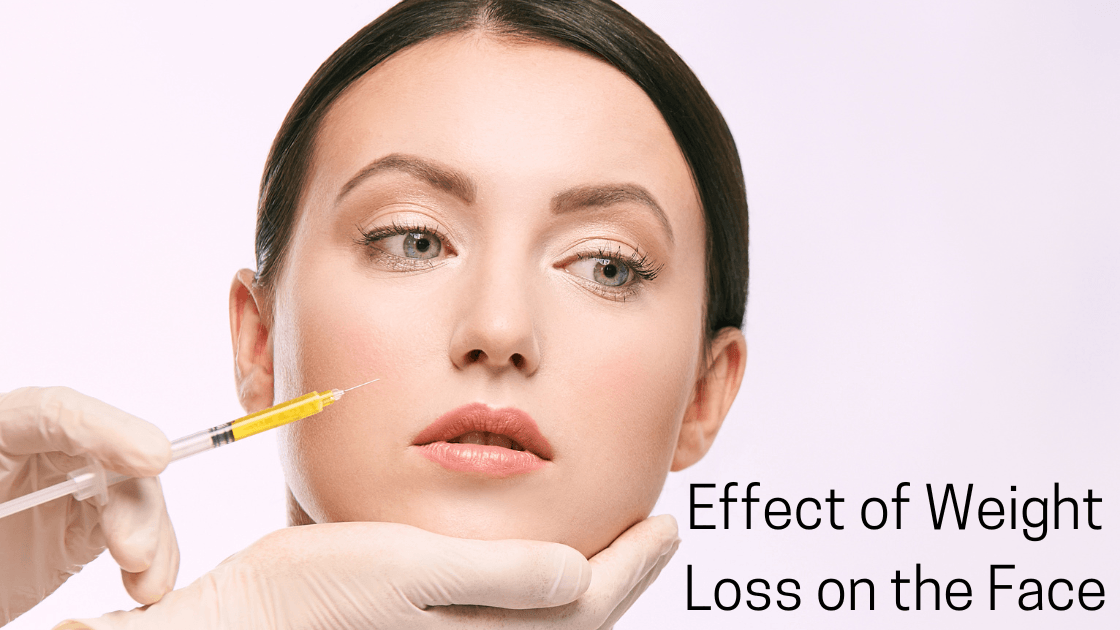

Losing weight is a major achievement, but if you’ve ever stepped in front of the mirror mid-journey and noticed your face looking different, you’re not alone.
The effects of weight loss on the face are one of the most visible and emotionally complex parts of any transformation.
For some, it’s the first sign of progress. For others, it can come with surprises like looser skin or a more hollow appearance.
Whether you’re just starting out or well into your weight loss journey, this guide breaks down everything you need to know about what happens to your face when you lose weight, the good, the complicated, and the manageable.
Why Does Your Face Change When You Lose Weight?
Your face is composed of multiple layers: skin, subcutaneous fat (the fat just beneath the skin), deeper fat pads, muscle, and bone. When you lose body fat, you lose it throughout your entire body including the face.
The fat pads in your face are responsible for the full, rounded look that many people associate with youth and health.
These fat compartments sit in specific areas: the cheeks, temples, around the eyes (periorbital fat), the jowls, and under the chin.
As overall body fat decreases, these pads shrink, which visibly changes the structure and appearance of your face.
Additionally, weight loss affects.
Skin elasticity
Skin stretches to accommodate fat and may not fully snap back after fat loss, especially with rapid weight loss or in older individuals.
Collagen and hydration
Fat tissue supports the skin above it. As it diminishes, skin can look less plump and hydrated.
Bone prominence
With less fat padding, facial bones like the cheekbones, jaw, and orbital bones become more visible.
Positive Effects of Weight Loss on the Face
For many people, the effects of weight loss on the face are largely positive and motivating. Here’s what you might notice.
A More Defined Jawline
One of the most celebrated effects of losing weight is the emergence of a cleaner, sharper jawline.
Excess fat under the chin (sometimes called a “double chin”) and around the jaw tends to soften facial definition. As that fat reduces, the jaw becomes more pronounced and angular.
Higher, More Prominent Cheekbones
As the fuller, rounded cheeks slim down, the underlying bone structure becomes more visible.
Many people discover they have naturally high cheekbones hidden beneath fat pads, a look that is widely considered attractive.
Reduced Puffiness and Bloating
Excess weight is often accompanied by water retention and inflammation, both of which can make the face appear puffy, especially around the eyes and cheeks.
Weight loss, particularly when paired with a cleaner diet, can significantly reduce this puffiness.
Improved Skin Appearance
Losing weight through a healthy diet often means consuming more whole foods, vegetables, and adequate protein all of which contribute to healthier, clearer skin. Reducing excess sugar intake can also reduce acne and skin inflammation.
More Expressive Features
With less fat padding, facial expressions become more defined. Eyes may appear larger and more open, and the contours of the face create natural shadow and dimension that photographers and lighting tend to flatter.
Challenging Effects: Loose Skin and Facial Hollowing
While many effects are positive, the face can also change in ways that feel disconcerting especially with significant or rapid weight loss.
Loose or Sagging Skin
Skin is elastic, but it has limits. When fat is lost quickly or in large amounts, the skin may not have time to contract and may sag particularly around the lower cheeks, jowls, and neck. This is more pronounced in:
- People over 40 (skin loses elasticity with age).
- Those who lose a large amount of weight quickly.
- Individuals who have experienced multiple cycles of weight gain and loss.
Facial Hollowing or Gaunt Appearance
Some people find that significant weight loss gives their face a sunken or skeletal look, particularly around the temples, under the eyes (tear troughs), and in the mid-face. This can make someone look more tired or older than they actually are.
Dark Circles and Eye Area Changes
As the fat pads around the eyes shrink and skin loosens, the tear trough area (the groove between the lower eyelid and cheek) can deepen, making dark circles more prominent.
Does Weight Loss Cause You to Look Older?
This is a real and well-documented phenomenon, and it has a name: “diet face.” In medical literature, researchers and plastic surgeons have observed that significant weight loss, especially after age 40, can add years to a person’s appearance, even as their body looks younger and healthier.
The reason is that facial fat contributes to a youthful look. Volume in the face is associated with youth; deflation is associated with aging.
When you lose substantial weight, you may trade a fuller face for a more defined but sometimes aged one.
However, context matters.
- If you were significantly overweight, the health and physical improvements often outweigh cosmetic concerns.
- Moderate weight loss (10–20 lbs) in younger individuals typically results in a noticeably more attractive facial appearance without aging effects.
- Slower, gradual weight loss gives skin time to adapt, reducing sagging.
How Fast Will You See Changes in Your Face?
Many people notice facial changes fairly early in their weight loss journey, sometimes before changes are visible in other parts of the body. This is because:
- The face has a high density of small fat deposits that respond quickly to caloric deficit.
- Reduced water retention (common in the first weeks of dieting) deflates puffiness rapidly.
General timeline.
| Weight Lost | Likely Facial Change |
|---|---|
| 5–10 lbs | Subtle reduction in puffiness, slightly sharper features |
| 10–20 lbs | Visible definition in jaw and cheeks, reduced double chin |
| 20–40 lbs | Prominent bone structure, noticeable facial slimming |
| 40+ lbs | Significant change; potential for loose skin or hollowing |
These are generalizations individual genetics, age, skin quality, and rate of loss all play a role.
Does Where You Store Fat Affect Facial Changes?
Yes. Fat distribution is largely determined by genetics and hormones.
- Apple-shaped individuals (who carry weight in the torso) may not see dramatic facial changes until they lose a significant amount of overall weight.
- People who store fat in the face and neck (more common in some genetic profiles) may notice facial changes very early and prominently.
- Women tend to store more fat in the face than men on average, and may see more dramatic facial slimming when they lose weight.
Hormonal changes such as those during menopause, can also shift where the body stores and loses fat, sometimes affecting the face disproportionately.
How to Minimize Negative Facial Effects of Weight Loss
If you’re concerned about loose skin, hollowing, or aging-related effects, here are evidence-backed strategies to protect and support your face during weight loss.
Lose Weight Slowly and Steadily
Aim for 0.5–1 lb per week. Gradual fat loss gives your skin time to gradually retract rather than sagging all at once. Crash diets and rapid fat loss are the leading causes of loose facial skin.
Stay Hydrated
Dehydration makes skin look less plump and elastic. Drinking adequate water (8–10 glasses per day minimum) supports skin health from the inside out.
Prioritize Protein
Protein is essential for collagen synthesis the structural protein that keeps skin firm.
Aim for 0.7–1g of protein per pound of body weight during your weight loss period. Good sources include eggs, chicken, fish, Greek yogurt, and legumes.
Protect Your Skin from the Sun
UV exposure degrades collagen and elastin, accelerating skin sagging. Use SPF 30+ daily, especially as your skin becomes less padded and more exposed.
Use Retinoids and Collagen-Boosting Skincare
Topical retinoids (retinol or prescription tretinoin) stimulate collagen production and improve skin texture. Vitamin C serums, peptides, and hyaluronic acid can also help maintain firmness and plumpness.
Exercise, Including Facial Exercises
Resistance training helps maintain muscle mass throughout the body, giving skin a firmer “scaffold.”
{Some studies suggest that targeted facial exercises may help maintain some facial fullness by building the underlying muscle layer, though the evidence is still emerging.
Avoid Smoking and Limit Alcohol
Both accelerate collagen breakdown and worsen skin sagging. Smoking in particular is directly linked to premature facial aging.
When to See a Dermatologist or Doctor
If facial changes are causing significant distress, there are both non-invasive and medical options available.
- Dermal fillers: Hyaluronic acid fillers (like Juvederm or Restylane) can restore volume to hollowed areas, cheeks, temples, and tear troughs.
- Radiofrequency or ultrasound treatments (Thermage, Ultherapy): These stimulate collagen production and can tighten mild skin laxity.
- Thread lifts: A minimally invasive option for mild sagging.
- Surgical options: Facelift or neck lift procedures may be appropriate after major weight loss if skin laxity is severe.
Always consult a board-certified dermatologist or plastic surgeon before pursuing any cosmetic treatments.
FAQs About Weight Loss and the Face
Will I lose weight in my face if I lose weight overall?
Yes. You cannot spot-reduce fat from any specific area, but as you lose body fat overall, the face will slim as well. Some people lose fat from the face quickly; others notice body changes first.
Can exercise help prevent facial sagging from weight loss?
Resistance training helps preserve muscle mass and maintain skin tone throughout the body.
Specific face-targeting exercises may offer modest benefits, but the most impactful thing you can do is lose weight gradually.
Does drinking water really make a difference to how your face looks?
Absolutely. Proper hydration supports skin plumpness, elasticity, and the reduction of under-eye puffiness. It also helps flush out sodium, which causes water retention and facial puffiness.
At what age does weight loss most affect the face?
The effects become more pronounced after age 35–40, when skin elasticity naturally decreases.
Younger individuals typically have better collagen reserves and see minimal negative facial effects from weight loss.
Can I regain facial volume without gaining weight back?
Yes, through cosmetic dermatology. Fillers, fat grafting, and collagen-stimulating treatments can restore facial volume without requiring weight gain.
The Bottom Line
The effect of weight loss on the face is real, visible, and multifaceted. For most people especially those losing moderate amounts of weight, the changes are positive: a more defined jawline, clearer skin, and prominent cheekbones.
For others, particularly those losing large amounts of weight or over 40, managing loose skin and facial hollowing requires a thoughtful approach.
The best strategy is to lose weight gradually, nourish your body with protein and hydration, protect your skin, and seek professional guidance if cosmetic concerns become significant.
Your face tells the story of your journey, and with the right care, it can tell one you’re proud of.
Disclaimer:
This article is for informational purposes only and does not constitute medical advice.
Always consult a qualified healthcare provider before making changes to your diet, exercise routine, or skincare regimen.