
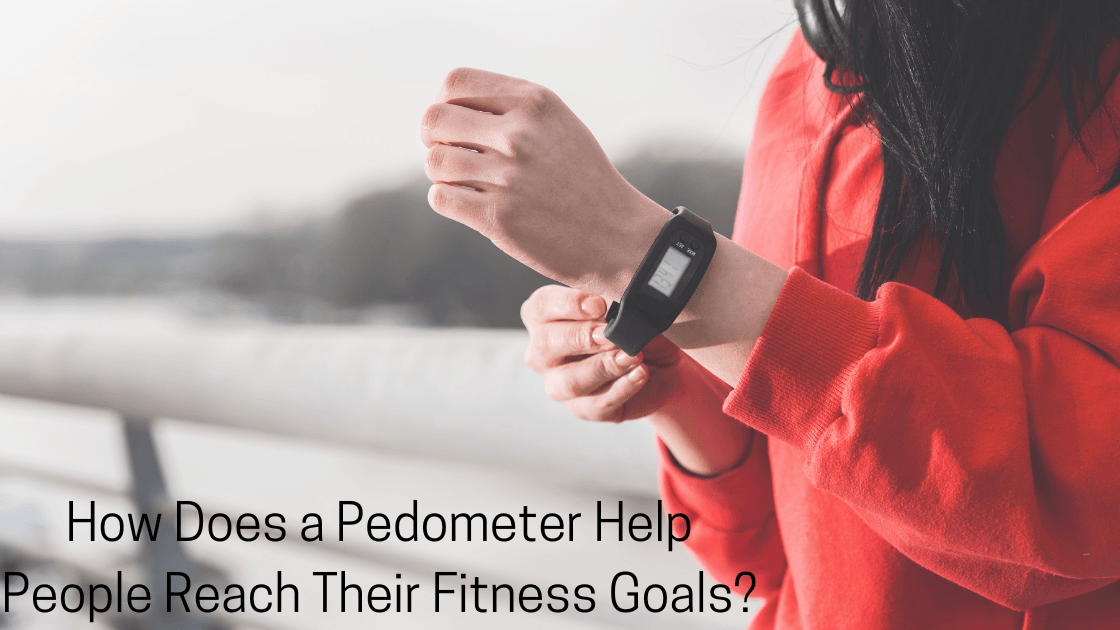

Whether you’re just starting your weight-loss journey or trying to break through a plateau, a pedometer may be one of the simplest and most powerful tools you’re not using yet.
A small clip on your waistband or a humble app on your wrist. It counts. And counts. And counts.
Yet the research is surprisingly detailed: people who use a pedometer walk significantly more, lose more weight, and stick to their routines longer than those who don’t.
So how exactly does a pedometer help people reach their fitness goals? Let’s break it down.
What Is a Pedometer?
A pedometer is a device, mechanical, digital, or app-based, that counts the number of steps you take throughout the day by detecting the motion of your body.
Early models were simple mechanical counters worn on the hip. Today’s versions range from dedicated clip-on step counters to smartwatches and smartphone apps packed with extra features like calorie estimates, distance tracking, and sleep monitoring.
Despite the variety, the core function remains unchanged: it tells you how much you’re moving.
The Science Behind Step Tracking and Fitness
Before diving into the specific benefits, it’s worth understanding why counting steps works so well as a behavior-change tool.
A landmark meta-analysis published in the Journal of the American Medical Association found that pedometer users increased their daily step count by an average of 2,491 steps and meaningfully reduced their body mass index (BMI) and blood pressure compared with non-users.
Another review of 26 studies found that simply owning a pedometer increased participants’ physical activity by 27%.
The mechanism is straightforward: what gets measured gets managed. When you can see a number, you can set a target, track progress, and feel motivated to improve it.
7 Ways a Pedometer Helps People Reach Their Fitness Goals
Creates a Clear, Measurable Goal
One of the biggest barriers to fitness is vague intention. “I want to move more” is hard to act on. “I want to reach 8,000 steps today” is not.
A pedometer converts ambiguous health goals into a concrete daily target. This clarity alone has been shown to increase follow-through significantly.
Whether your goal is 6,000, 10,000, or 12,000 steps a day, having a number to chase makes the goal real and achievable.
Tip: Don’t start at 10,000 if you’re currently averaging 3,000. Increase by 500–1,000 steps per week to build momentum without burnout.
Provides Real-Time Feedback and Accountability
A pedometer gives you instant, honest feedback. You know at 3 PM whether you’re on track or whether you need to take a post-dinner walk to hit your goal.
This real-time loop is a cornerstone of behavior change. Research in behavioral psychology consistently shows that immediate feedback accelerates habit formation far more effectively than delayed or abstract reporting (like a weekly weigh-in).
With a pedometer, accountability is built in. You’re not accountable to a trainer, a class schedule, or an app subscription. You’re accountable to yourself and that number on the screen.
Encourages Incidental Movement Throughout the Day
Structured exercise is great, but it accounts for only a small slice of your total daily movement.
The rest is called NEAT (Non-Exercise Activity Thermogenesis); it includes walking to your car, climbing stairs, pacing while on a call, and every other movement that isn’t a formal workout.
NEAT can account for 15–50% of total daily caloric expenditure, depending on your lifestyle.
A pedometer keeps you mindful of this movement throughout the entire day, not just during gym hours.
People with pedometers naturally start making small swaps: parking farther away, taking the stairs, and walking during lunch. These micro-decisions compound dramatically over weeks and months.
Breaks the Sedentary Cycle
Most people dramatically overestimate how active they are. Studies repeatedly show that office workers and people with desk jobs take as few as 2,000–3,000 steps on workdays far below the activity levels our bodies were designed for.
A pedometer makes sedentary behavior visible. When you glance down and see you’ve only taken 1,200 steps by noon, it’s a nudge you can’t ignore.
This awareness is often the first step (pun intended) in breaking a sedentary cycle that contributes to weight gain, metabolic disease, and fatigue.
Supports Weight Loss Through Consistent Caloric Burn
Walking is one of the most underrated tools in weight management. It’s low-impact, accessible to almost everyone, and, when done consistently, adds up to significant caloric expenditure.
Here’s a rough breakdown.
| Daily Steps | Approximate Extra Calories Burned* | Potential Monthly Weight Impact |
|---|---|---|
| +2,000 steps/day | ~80–100 kcal | ~0.5–0.75 lbs/month |
| +5,000 steps/day | ~200–250 kcal | ~1.5–2 lbs/month |
| +8,000 steps/day | ~300–400 kcal | ~2.5–3 lbs/month |
*Estimates vary based on body weight, walking pace, and terrain. Combined with dietary changes, results can be significantly greater.
A pedometer doesn’t burn the calories for you, but it keeps you moving consistently enough that the calories burn themselves.
Builds Long-Term Habits Through Streaks and Progress Tracking
Motivation is unreliable. Habits are durable. The real power of a pedometer isn’t what it does for you in week one. It’s what it does for you in week twelve.
Many pedometers and step-tracking apps include streak features, progress charts, and milestone badges that tap into your brain’s reward system.
Seeing a 30-day streak or hitting a personal best creates a feedback loop that makes you want to keep going even on the days when motivation is nowhere to be found.
Over time, checking your steps and hitting your daily goal stops being a chore and becomes part of your identity. You become “a person who walks.”
Complements Any Fitness Program or Diet Plan
Whether you’re following intermittent fasting, a low-carb diet, a strength training program, or a structured cardio plan, a pedometer fits seamlessly alongside it.
It doesn’t replace your existing routine. It adds a baseline of daily movement that amplifies everything else you’re doing.
For people who can’t exercise due to injury or time constraints, step tracking offers a gentler, sustainable entry point.
For serious athletes, it can serve as a recovery-day activity monitor or a way to ensure total weekly energy expenditure stays on target.
What Step Goal Should You Actually Aim For?
The famous “10,000 steps a day” figure originated from a 1960s Japanese marketing campaign, not clinical research.
The good news? More recent science suggests you don’t need to hit that magic number to see real benefits.
A 2021 study published in JAMA Internal Medicine found that women who averaged just 4,400 steps per day had significantly lower mortality rates than those averaging 2,700 steps. Benefits continued to accrue up to about 7,500 steps before leveling off.
The takeaway
Any increase in steps is beneficial. Start where you are, and gradually work upward. The best step goal is one you’ll actually reach.
Pedometer vs. Fitness Tracker: Which Should You Choose?
| Feature | Basic Pedometer | Smartwatch / Fitness Tracker |
|---|---|---|
| Step counting | ✅ | ✅ |
| Heart rate monitoring | ❌ | ✅ |
| Calorie tracking | Limited | ✅ |
| Sleep tracking | ❌ | ✅ |
| GPS / route mapping | ❌ | ✅ |
| Cost | $10–$30 | $50–$400+ |
| Battery life | Months to years | 1–7 days |
| Simplicity | ⭐⭐⭐⭐⭐ | ⭐⭐⭐ |
For pure step tracking and simplicity, a basic pedometer is hard to beat. If you want a more comprehensive picture of your health, including heart rate zones, sleep quality, and GPS-tracked workouts, a fitness tracker or smartwatch is worth the investment.
Tips for Getting the Most Out of Your Pedometer
- Wear it every day, not just on “good” days. Consistency of measurement is more valuable than consistency of performance. Off-days reveal patterns.
- Set a weekly average goal, not just a daily one. Life happens. A 7-day rolling average takes the pressure off any single day.
- Pair it with a walking buddy or online community. Social accountability multiplies the effect of self-monitoring.
- Log your steps alongside how you feel. Over time, you’ll notice correlations between step count, energy levels, hunger, and mood.
- Reassess your goal every 4–6 weeks. Once a target feels easy, it’s time to raise the bar.
Who Benefits Most From Using a Pedometer?
Pedometers are especially effective for.
- Beginners who feel overwhelmed by structured exercise programs.
- Desk workers who need a reminder to break up prolonged sitting.
- People managing chronic conditions like Type 2 diabetes, hypertension, or obesity, where walking is often medically recommended.
- Older adults seeking a low-impact, measurable way to stay active.
- Anyone in a weight-loss plateau who needs to increase NEAT without adding formal workouts.
Final Thoughts
So, how does a pedometer help people reach their fitness goals? In almost every way that matters, it makes goals concrete, delivers real-time accountability, builds lasting habits, supports weight loss through consistent movement, and fits into any lifestyle without disruption.
You don’t need a gym membership, a personal trainer, or a complicated plan. You need to move more, and a pedometer is the simplest tool ever invented to make sure that you actually do.
Start where you are. Track what you do. Improve a little every day.
Disclaimer: This article is for informational purposes only and does not constitute medical advice. Consult your healthcare provider before starting any new fitness program.