
Struggling to lose fat without constantly feeling hungry or watching your muscles disappear? A high-protein diet for fat loss might be exactly the strategy you’ve been missing.
Unlike crash diets that leave you tired and soft, eating more protein works with your body, cutting fat, controlling hunger, and keeping your metabolism strong.
In this guide, you’ll learn exactly how much protein you need, why the science backs it up, the best foods to eat, and how to build a simple meal plan that works for real life.
What Is a High-Protein Diet?
A high-protein diet is any eating pattern in which protein makes up a significantly larger share of your daily calories than the standard recommended amount. The general Recommended Dietary Allowance (RDA) sits at 0.8 grams of protein per kilogram of body weight per day, a number designed to prevent deficiency, not optimize fat loss.
For active fat loss, research consistently points to a much higher intake: 1.2 to 2.2 grams of protein per kilogram of body weight per day, or roughly 0.55 to 1.0 grams per pound.
In practice, this means bumping protein to somewhere between 25% and 35% of your total daily calories.
If you weigh 75 kg (165 lbs), for example, a solid fat-loss protein target would be roughly 120–165 grams of protein daily.
Why Does a High-Protein Diet Help You Lose Fat?
Protein Kills Hunger Better Than Any Other Macronutrient
One of the biggest reasons diets fail is hunger. You cut calories, your body fights back with cravings, and eventually you cave.
Protein is the most satiating macronutrient by a wide margin. It keeps you fuller for longer after meals, which naturally leads you to eat less overall.
Research backs this up clearly. Studies show that people on high-protein diets spontaneously eat fewer calories between meals, stay satisfied longer after eating, and are significantly less likely to overeat throughout the day.
Protein Burns More Calories During Digestion
Your body spends energy just to break down the food you eat — a phenomenon called the thermic effect of food (TEF).
Protein has a much higher thermic effect than carbohydrates or fat. Your body burns roughly 20–30% of protein calories just through digestion, compared to only 5–10% for carbs and 0–3% for fat.
This means that simply eating more protein gives your metabolism a modest but real daily boost, often estimated at an additional 50–100 calories burned per day without any extra exercise.
Protein Protects Muscle Mass During a Calorie Deficit
Here’s a problem most people don’t think about: when you eat less to lose weight, your body doesn’t exclusively burn fat.
It also breaks down muscle for energy, especially if your protein intake is low. Losing muscle is bad news because muscle tissue is metabolically active. Less muscle means a slower metabolism, making future fat loss harder.
Multiple clinical trials have confirmed that a high-protein diet preserves fat-free mass (muscle) during calorie restriction better than a standard-protein diet.
One meta-analysis of 24 randomized controlled trials found that people on high-protein diets maintained a significantly higher resting metabolic rate of about 142 extra calories per day, compared to lower-protein dieters during weight loss.
In short, more protein means you lose fat, not muscle.
Protein Helps Prevent Weight Regain
Most people who lose weight gain it back within a few years. A key reason is that calorie restriction alone increases hunger hormones and reduces metabolic rate, a perfect storm for regaining fat.
Research spanning 6–12 months shows that high-protein diets not only produce greater fat loss but also make it easier to maintain weight loss over time by keeping hunger in check and preserving the muscle tissue that keeps your metabolism running efficiently.
How Much Protein Do You Actually Need for Fat Loss?
Here’s a practical breakdown based on current research.
| Goal | Protein Target |
|---|---|
| Minimum (prevent loss) | 0.8 g/kg body weight/day |
| Fat loss (general) | 1.2–1.6 g/kg body weight/day |
| Fat loss + muscle preservation | 1.6–2.2 g/kg body weight/day |
| Athletes/heavy training | Up to 2.2 g/kg body weight/day |
Practical tip: If you have a BMI over 30 or carry a significant amount of extra body fat, consider basing your protein target on your goal weight rather than your current weight. This prevents overeating calories under the guise of hitting a protein target.
Quick Examples
- A 65 kg person targeting fat loss: aim for 105–143 grams of protein/day.
- An 80 kg person targeting fat loss: aim for 130–176 grams of protein/day.
- A 95 kg person targeting fat loss: aim for 115–160 grams/day (based on ~75 kg goal weight).
Best High-Protein Foods for Fat Loss
The quality of your protein sources matters just as much as the quantity. Prioritize lean, nutrient-dense proteins that give you the most protein per calorie.
Animal-Based Proteins (Complete Proteins)
- Chicken breast: ~31g protein per 100g, very lean.
- Turkey breast: ~29g protein per 100g.
- Eggs: ~6g per egg, highly bioavailable.
- Greek yogurt (plain, non-fat): ~10g per 100g, great for satiety.
- Cottage cheese:~11g per 100g, slow-digesting casein.
- Tuna (canned in water):~25g per 100g, ultra-lean.
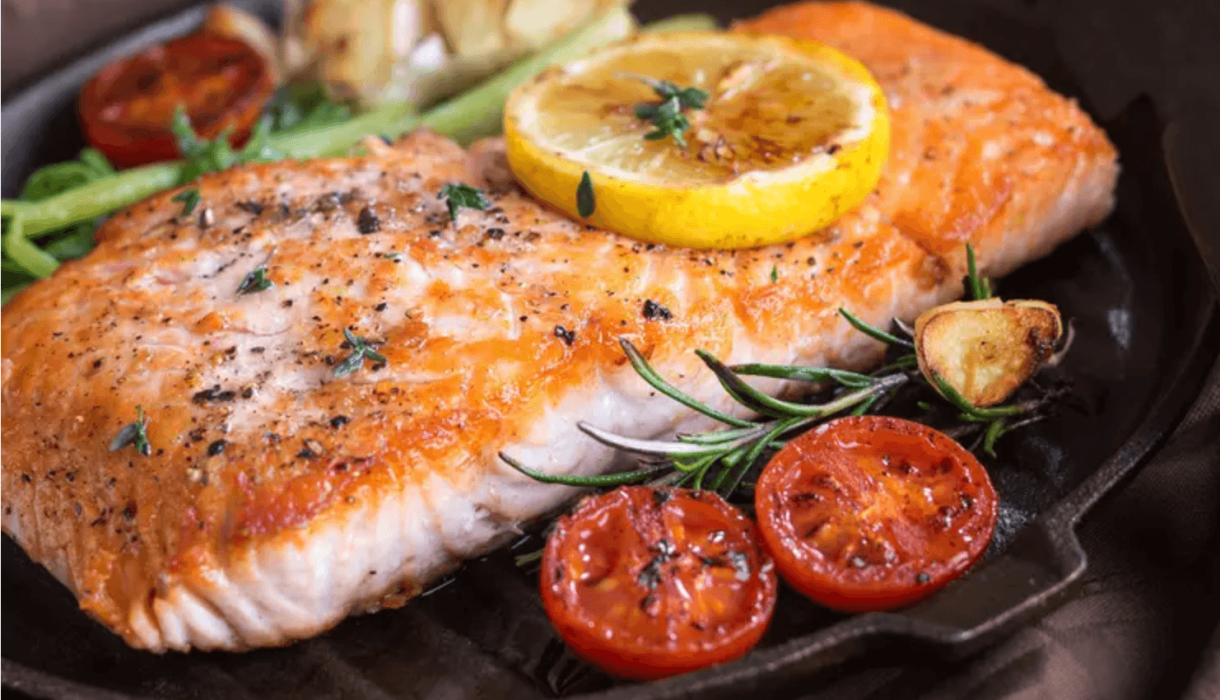
- Salmon: ~25g per 100g, plus omega-3 fatty acids.
- Shrimp: ~24g per 100g, very low calorie.
- Lean beef (sirloin, flank): ~26–28g per 100g
- Low-fat dairy (milk, cheese): varies, convenient protein source
Plant-Based Proteins
- Lentils: ~9g per 100g cooked, plus fiber.
- Black beans/chickpeas: ~7–8g per 100g cooked.
- Edamame: ~11g per 100g.
- Tofu/tempeh: ~8–19g per 100g depending on type.
- Quinoa: ~4g per 100g cooked (complete plant protein).
- Peanut butter/almond butter: ~25g per 100g (calorie-dense, use in moderation).
Convenient Protein Additions
- Whey protein powder: ~20–25g per scoop, fast-digesting.
- Casein protein powder: great before bed for overnight muscle preservation.
- Protein bars (choose ones with <10g sugar and >15g protein).
Sample High-Protein Meal Plan for Fat Loss (1-Day Template)
This is a template, not a rigid prescription. Adjust portions based on your calorie needs and protein targets.
Breakfast (~40g protein)
- 3 whole eggs + 2 egg whites scrambled
- ½ cup low-fat cottage cheese
- Black coffee or green tea
Mid-Morning Snack (~25g protein)
- 1 cup plain Greek yogurt
- Small handful of mixed nuts
- A piece of fruit
Lunch (~45g protein)
- 150g grilled chicken breast
- Large mixed salad with olive oil and lemon
- ½ cup cooked lentils or black beans
Afternoon Snack (~25g protein)
- 1 scoop whey protein in water or almond milk
- A few rice cakes or vegetables
Dinner (~45g protein)
- 150g salmon or lean beef
- Steamed broccoli or roasted vegetables
- Small portion of rice or sweet potato
Daily Total: ~180g protein, balanced with fiber-rich carbs and healthy fats
High-Protein Diet Tips for Better Results
Spread protein across meals. Your body can only use so much protein for muscle synthesis at once.
Aim to get roughly 30–40 grams of protein per meal rather than eating it all in one sitting.
Eat protein first at each meal. Starting your meal with the protein source before the carbs tends to reduce total meal calorie intake and improve satiety signals.
Don’t neglect fiber. Pair high-protein foods with fiber-rich vegetables, legumes, and whole grains. Fiber compounds the satiety effect of protein and supports gut health.
Stay hydrated. Higher protein intakes increase your body’s need for water to process amino acids and clear metabolic byproducts. Drink at least 2–3 liters of water daily.
Track at least at the beginning. Most people significantly underestimate how little protein they’re actually eating. Using a free app like Cronometer or MyFitnessPal for a week or two can reveal eye-opening gaps.
Add resistance training. A high-protein diet works best when combined with some form of strength or resistance training. Exercise signals your body to use that protein for muscle building and maintenance rather than just burning it for energy.
Is a High-Protein Diet Safe?
For most healthy adults, yes, a high-protein diet is safe and well-tolerated. Multiple clinical reviews spanning 6–12 months have found no adverse effects on bone density or kidney function in healthy people following high-protein diets.
However, a few caveats are worth knowing.
- Pre-existing kidney disease: If you have reduced kidney function, a high-protein diet may place extra strain on the kidneys. Always consult a doctor first.
- Very high intakes (>2.5g/kg/day): Extremely high protein consumption over the long term has been associated with a higher risk of kidney stones in susceptible individuals. Stick within the recommended fat-loss ranges.
- Source quality matters: A high-protein diet built around processed red meat, fatty sausages, and fried foods carries different health risks than one built around lean meats, fish, eggs, and legumes. Choose wisely.
As always, if you have underlying health conditions or take medications, speak with a healthcare professional before making major dietary changes.
Common Mistakes on a High-Protein Diet
Mistake #1
Eating the same two or three foods every day. This leads to boredom and eventually abandonment.
Rotate your protein sources: chicken one night, fish the next, legumes at lunch to keep things interesting and broaden your nutrient profile.
Mistake #2
Ignoring overall calories. Protein is not a magic macro. If you eat 200g of protein but are still eating significantly more calories than you burn, you will not lose fat.
Protein helps you eat less and metabolize more, but a calorie deficit is still the foundation.
Mistake #3
Skipping breakfast protein. Breakfast is where most people fall short on protein, often defaulting to cereals, toast, or pastries.
Starting the day with a high-protein meal sets the hormonal tone for better appetite control throughout the entire day.
Mistake #4
Relying too heavily on protein powders. Protein shakes are a convenient supplement, not a replacement for whole foods.
Whole-food proteins come packaged with vitamins, minerals, fiber, and other compounds that powders simply don’t replicate.
High-Protein Diet vs. Other Fat Loss Diets
| Diet | Protein Level | Effectiveness | Sustainability |
|---|---|---|---|
| High-Protein Diet | High (25–35%) | ★★★★★ | ★★★★☆ |
| Keto Diet | Very high protein + fat | ★★★★☆ | ★★★☆☆ |
| Intermittent Fasting | Varies | ★★★★☆ | ★★★★☆ |
| Low-Fat Diet | Often low protein | ★★★☆☆ | ★★★☆☆ |
| Standard Calorie Counting | Varies | ★★★☆☆ | ★★★☆☆ |
A high-protein diet stands out because it addresses the two root causes of diet failure, hunger and muscle loss, without requiring you to eliminate entire food groups or follow an extreme protocol.
Final Thoughts
A high-protein diet for fat loss isn’t a fad. It’s one of the most well-researched, consistently effective dietary strategies for losing body fat while keeping your muscle, metabolism, and energy intact.
The formula is simpler than most people think: hit your protein target (1.2–2.2g/kg/day), stay in a moderate calorie deficit, move your body regularly, and stay consistent. That’s really it.
Start by auditing what you’re currently eating. If you’re like most people, protein is your biggest gap, and fixing that one thing could make a bigger difference to your fat loss results than any other change you make.
Disclaimer
This article is for informational purposes only and does not constitute medical advice.
Consult a qualified healthcare professional before making significant changes to your diet, especially if you have underlying health conditions.