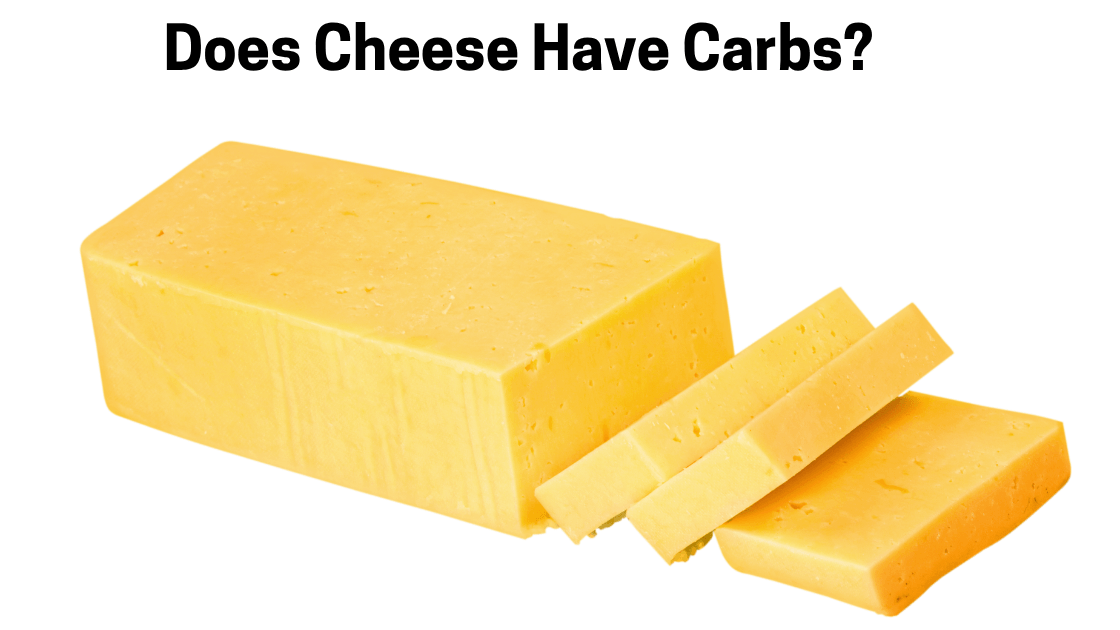

Yes, cheese does have carbs but usually very few. Most natural cheeses contain just 0.1 to 1.5 grams of carbs per ounce, making them one of the most diet-friendly foods you can eat on a low-carb or keto plan.
The carbs come from lactose (milk sugar), most of which is removed during the cheese-making process. Softer, fresher cheeses like cottage cheese tend to have slightly more.
Why Does Cheese Contain Carbs at All?
It’s a fair question. Cheese is mostly fat and protein so where do the carbs come from? The answer is lactose, the natural sugar found in milk.
Every block of cheese starts as milk, and milk contains roughly 12 grams of lactose per cup.
The good news: the cheese-making process dramatically reduces that sugar. During production, most of the lactose is drained away with the whey.
Any remaining lactose is then consumed by the bacterial cultures used in fermentation.
The longer a cheese is aged, the more of that residual lactose breaks down, which is exactly why aged, hard cheeses like Parmesan and aged cheddar end up with virtually zero carbohydrates.
Key Takeaway
Cheese carbs = lactose. Hard, aged cheeses have the lowest carb counts because the aging process eliminates nearly all residual lactose. Soft, fresh cheeses retain more, and therefore have slightly higher carb content.
This means the carbs you see on a cheese nutrition label represent only lactose, unless added sugars appear in the ingredient list (a red flag usually found in flavored or processed varieties).
If your cheese has ingredients like high-fructose corn syrup or added sweeteners, the carb count will be higher, and the cheese is better avoided on a weight loss plan.
Carbs in Cheese: The Complete Chart
Below is a breakdown of carbohydrate content per 1-ounce (28g) serving for the most popular cheeses, along with their protein and fat to give you the full macronutrient picture.
| Cheese | Carbs (g) | Protein (g) | Fat (g) | Carb Level |
|---|---|---|---|---|
| Brie | 0.1 | 5.9 | 7.8 | Very Low |
| Camembert | 0.1 | 5.6 | 6.9 | Very Low |
| Goat Cheese | 0.3 | 5.2 | 6.0 | Very Low |
| Cheddar | 0.4 | 7.0 | 9.3 | Very Low |
| Swiss | ~0 | 7.6 | 7.9 | Very Low |
| Gouda | 0.6 | 7.1 | 7.8 | Very Low |
| Mozzarella | 0.6 | 6.3 | 6.3 | Very Low |
| Blue Cheese | ~1.0 | 6.1 | 8.1 | Low |
| Cream Cheese | ~1.0 | 1.7 | 9.8 | Low |
| Feta | 1.2 | 4.0 | 6.0 | Low |
| Cottage Cheese (½ cup) | 4–5 | 14 | 2.3 | Moderate |
| Ricotta (½ cup) | ~9 | 14 | 10 | Higher |
Sources: USDA FoodData Central. Values are approximate and may vary by brand.
The Lowest-Carb Cheeses
If you’re actively counting carbs, these are your best bets. They’re all under 1 gram per ounce and can be eaten fairly freely without putting a dent in your daily carb budget.
Brie & Camembert
Both of these soft-ripened cheeses clock in at just 0.1 grams of carbs per ounce — essentially zero.
Their creamy, indulgent texture makes them a satisfying option that doesn’t feel like “diet food.“
Goat Cheese (Chèvre)
At 0.3 grams of carbs per ounce, goat cheese is not only low in carbs but also easier to digest for many people. It pairs beautifully with salads, making it a practical daily option for those eating low-carb.
Aged Cheddar
One of the most accessible cheeses on any grocery store shelf, sharp or extra-aged cheddar contains just 0.4 grams of carbs per ounce.
It’s also a solid source of protein and calcium, adding genuine nutritional value to your meals.
Swiss & Gruyère
Swiss cheese has virtually zero measurable carbohydrates per ounce, though trace amounts do exist.
Its mild, nutty flavor makes it versatile and easy to incorporate into everyday meals.
Best Practice
To keep carbs as low as possible, always choose aged, hard cheeses over fresh or processed varieties.
The longer the aging process, the more lactose has been converted, leaving you with a richer flavor and fewer carbs.
Higher-Carb Cheeses to Watch
A few cheeses, particularly soft, fresh, or processed ones, contain more carbs than you might expect. They’re not off-limits, but they’re worth being aware of.
Cottage Cheese
Cottage cheese is a popular choice among the health-conscious community, thanks to its impressive protein content of around 14 grams per half cup.
However, it contains 4 to 5 grams of carbs per half-cup serving due to its higher retained lactose.
On a strict keto plan, portions should be limited; for moderate low-carb diets, it can still fit comfortably.
Ricotta
Half a cup of ricotta contains roughly 9 grams of carbs, the highest of common cheeses.
If ricotta is a staple in your cooking, keep serving sizes small or opt for it as a recipe ingredient rather than an everyday snack.
Processed Cheese & American Cheese
Processed cheese products, such as those individually wrapped slices, typically carry 1 to 2 grams of carbs per slice. On its own, that’s still fairly low.
The bigger concern isn’t the carbs themselves, but the fillers, emulsifiers, and additives used to manufacture these products.
As a general rule, natural cheese is always a better choice than a processed “cheese food” product.
Watch Out For
Flavored and sweetened cream cheeses (strawberry, honey walnut, etc.) can contain significantly more carbs than plain varieties.
Always check the nutrition label on these products before assuming they fit your daily macros.
Is Cheese Good for Keto & Low-Carb Diets?
Short answer: yes, for most varieties. A standard ketogenic diet limits daily carbohydrate intake to around 20–50 grams per day.
Given that most cheeses contain just 0.1 to 1.5 grams of carbs per ounce, you would have to eat quite a significant amount before cheese alone pushed you out of ketosis.
This makes cheese one of the most versatile and satisfying foods on a keto diet. It’s high in fat, moderate in protein, and low enough in carbs that most people can enjoy it daily without tracking concerns.
✓ Best Keto Cheeses
- Brie & Camembert
- Aged cheddar
- Goat cheese
- Swiss / Gruyère
- Gouda
- Mozzarella (full-fat)
- Blue cheese
✗ Limit These on Keto
- Ricotta (high volume)
- Cottage cheese (watch portions)
- Flavored cream cheese
- Processed cheese slices
- Low-fat cheese (often has fillers)
- Plant-based cheeses (check labels)
One important nuance: reduced-fat cheeses often contain more carbs than full-fat versions, not fewer.
Manufacturers replace the removed fat with added fillers and stabilizers to restore texture, which drives the carbohydrate count up. If you’re optimizing for carbs, full-fat is the smarter pick.
Cheese and Weight Loss: The Full Picture
Carb content is only one piece of the puzzle when it comes to cheese and weight loss. Here’s what else you need to know.
The Calorie Factor
Cheese is calorie-dense. A single ounce of cheddar contains around 115 calories, and most of that comes from fat.
On a low-carb or keto diet, dietary fat is fuel — so this isn’t automatically a problem. But if you’re operating on a calorie deficit for weight loss, eating large quantities of cheese can eat into (no pun intended) your daily calorie budget faster than you’d expect.
A practical approach: use cheese as a flavoring and satiating addition to meals rather than a primary food source.
A generous sprinkle of aged Parmesan over roasted vegetables, or a crumble of feta over a salad, adds richness and satisfaction with a modest calorie contribution.
Protein and Satiety
One legitimate advantage of cheese for weight loss is its satiety factor. The combination of fat and protein makes cheese genuinely filling, which can reduce overall calorie intake by curbing hunger between meals.
Cottage cheese, in particular, is a standout here. Its high protein content makes it one of the most filling foods per calorie.
Sodium
Many cheeses are high in sodium, which can cause water retention. If you notice your weight creeping up after increasing your cheese intake, don’t panic.
It may simply be water weight, not fat gain. Track trends over a week rather than reacting to daily fluctuations.
Digestive Considerations
If you are lactose intolerant, the good news is that most aged, hard cheeses are extremely low in lactose and are well-tolerated by the majority of people with lactose sensitivity.
Softer cheeses like ricotta and cottage cheese retain more lactose and may cause discomfort if you’re sensitive.
FAQ: Does Cheese Have Carbs?
Does cheese kick you out of ketosis?
Most natural cheeses will not kick you out of ketosis. At 0.1–1.5 grams of carbs per ounce, even a generous serving of cheddar or mozzarella contributes very little to your daily carb count.
The exception would be if you’re eating large portions of higher-carb soft cheeses like ricotta or heavily processed cheese products with added sugars.
Which cheese has the absolute fewest carbs?
Brie and Camembert top the list at approximately 0.1 grams of carbs per ounce. Swiss cheese and aged Parmesan are also extremely low, sometimes registering as 0 grams on nutrition labels. Goat cheese comes in close behind at 0.3 grams.
Is cottage cheese low-carb?
Not particularly, by cheese standards. A half-cup serving of cottage cheese has around 4–5 grams of carbs.
It’s still a moderate-carb food and can fit into a low-carb diet in controlled portions, but it shouldn’t be treated as freely as harder cheeses.
Its protein content (around 14g per half cup) does make it a valuable food for weight loss despite the higher carb count.
Can I eat cheese every day on a low-carb diet?
Yes, in reasonable amounts. Most low-carb diet plans include cheese as a regular staple.
Just be mindful of portion sizes from a calorie perspective. Cheese is energy-dense, and calories still matter for weight loss even on low-carb plans.
Stick to natural cheeses over processed varieties for the best nutritional quality.
Does melted cheese have more carbs than regular cheese?
No. Melting or cooking cheese doesn’t change its carbohydrate content. The macros remain the same whether you eat it cold from the block or melted over a dish.
The only concern with cooked cheese dishes is what other ingredients are included. A grilled cheese sandwich has plenty of carbs from the bread, not from the cheese itself.
Is cream cheese high in carbs?
Plain, full-fat cream cheese is very low in carbs, about 1 gram per ounce. It’s a keto staple.
However, flavored cream cheeses (fruit-infused varieties, honey walnut, etc.) often have added sugars that push the carb count significantly higher. Always read the label on flavored varieties.
Medical Disclaimer
The information on this page is for educational purposes only and does not constitute medical or dietary advice.
Consult with a registered dietitian or healthcare provider before making significant dietary changes.