
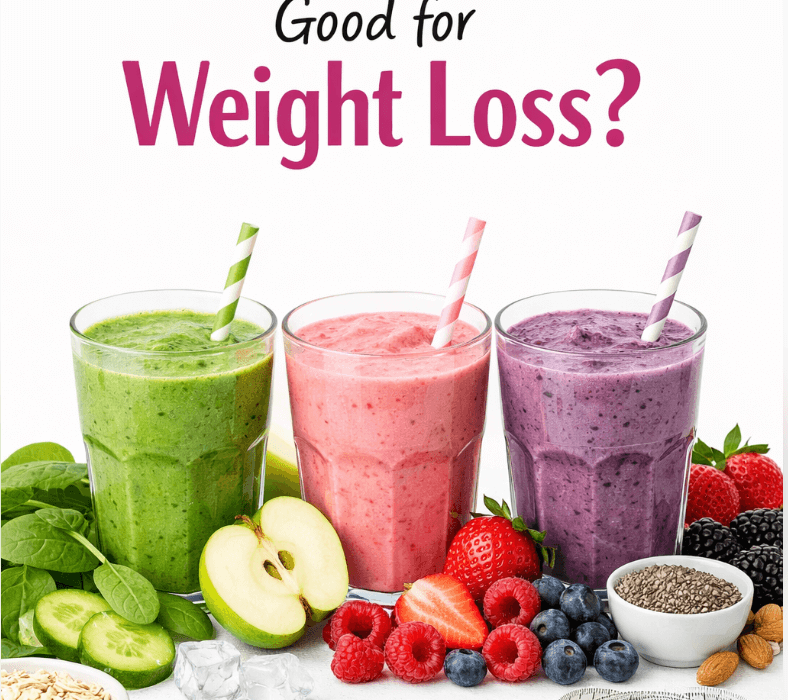

Smoothies have become one of the most popular health drinks in the world. Whether you’re scrolling through social media, browsing health blogs, or visiting a fitness center, smoothies are often promoted as a quick way to improve nutrition and support weight loss.
But the big question many people ask is the following.
Are smoothies good for weight loss?
The short answer is yes, smoothies can support weight loss when made with the right ingredients and consumed in appropriate portions.
However, smoothies can also become high-calorie sugar bombs if they are made incorrectly.
Some smoothies contain more calories than a full meal, which can slow down or even reverse your weight loss progress.
In this comprehensive guide, you will learn:
- Whether smoothies actually help with weight loss
- The science behind smoothies and fat loss
- The best ingredients for weight loss smoothies
- Ingredients that can sabotage your results
- How to build the perfect weight loss smoothie
- The best time to drink smoothies for fat loss
- Common mistakes people make when making smoothies
- Answers to frequently asked questions
By the end of this article, you will know exactly how to use smoothies strategically to support your weight loss goals.
Are Smoothies Good for Weight Loss?
Smoothies can absolutely support weight loss, but their effectiveness depends on three main factors:
- Ingredients used
- Calorie content
- Portion size
When made with whole foods like fruits, vegetables, protein, and fiber, smoothies can help reduce hunger, improve nutrition, and maintain a calorie deficit.
A calorie deficit occurs when you consume fewer calories than your body burns, which is the fundamental requirement for weight loss.
Smoothies can help create this deficit because they:
- Are easy to control in portion size
- Provide balanced nutrition
- Help reduce cravings
- Replace high-calorie meals or snacks
However, smoothies made with excessive sugar, fruit juice, ice cream, or sweet syrups can easily exceed 600–800 calories.
This is why some people gain weight even while drinking smoothies regularly.
The key takeaway:
Smoothies are not automatically healthy for weight loss. They must be properly balanced and portion-controlled.
Why Smoothies Can Help With Weight Loss
Smoothies can be a powerful tool for weight management when used correctly. Below are some of the main reasons smoothies can support fat loss.
Smoothies Help Control Calories
One of the biggest challenges people face during weight loss is controlling calorie intake.
Traditional meals, especially restaurant meals, often contain hidden calories from oils, sauces, and processed ingredients.
When you prepare smoothies at home, you have full control over every ingredient, which makes calorie management much easier.
For example:
Typical fast-food breakfast:
- Breakfast sandwich
- Hash browns
- Coffee with sugar
Total calories: 700–900 calories
Healthy smoothie breakfast:
- berries
- spinach
- protein powder
- almond milk
- chia seeds
Total calories: 250–350 calories
This simple substitution can reduce daily calorie intake significantly.
Smoothies Increase Fiber Intake
Fiber plays a major role in weight loss.
Foods rich in fiber help:
- Slow digestion
- Stabilize blood sugar levels
- Increase satiety (feeling full)
- Reduce cravings
Many people consume far less fiber than recommended.
Smoothies can help solve this problem because they can include ingredients such as:
- spinach
- kale
- oats
- chia seeds
- flax seeds
- berries
Fiber helps keep you full longer, which naturally reduces the likelihood of overeating later in the day.
Smoothies Improve Nutrient Intake
Weight loss diets sometimes fail because they lack essential nutrients.
When the body is missing nutrients, it can trigger hunger signals that lead to cravings and overeating.
Smoothies allow you to pack a large variety of nutrients into a single drink.
A well-balanced smoothie can provide:
- vitamins
- minerals
- antioxidants
- protein
- fiber
- healthy fats
This combination supports overall health while helping you maintain a calorie deficit.
Smoothies Are Convenient
One of the biggest obstacles to healthy eating is a lack of time.
Many people skip healthy meals because they are busy with work, family, or other responsibilities.
Smoothies solve this problem because they are incredibly quick to prepare.
Most smoothies take less than five minutes to make.
Because of this convenience, smoothies make it easier to maintain consistent healthy eating habits.
Consistency is a key factor in long-term weight loss success.
When Smoothies Can Cause Weight Gain
Although smoothies can help with weight loss, they can also lead to weight gain if certain mistakes are made.
The most common issue is excess calories.
Many commercial smoothies and homemade recipes include high-calorie ingredients such as:
- fruit juice
- sweetened yogurt
- peanut butter
- chocolate syrup
- honey
- ice cream
Even healthy ingredients like bananas and nut butters can become problematic if used in large amounts.
For example, a smoothie made with:
- 2 bananas
- peanut butter
- whole milk
- protein powder
- honey
can easily exceed 700 calories.
For someone trying to lose weight, this could represent a large portion of their daily calorie needs.
Best Ingredients for Weight Loss Smoothies
Choosing the right ingredients is essential for creating smoothies that support fat loss.
Here are some of the best ingredients to include.
Leafy Greens
Leafy greens are one of the most powerful smoothie ingredients for weight loss.
They are extremely low in calories but rich in nutrients.
Examples include:
- spinach
- kale
- Swiss chard
- romaine lettuce
These vegetables contain vitamins, minerals, and antioxidants while adding minimal calories.
They also blend well and usually do not overpower the flavor of the smoothie.
Low-Sugar Fruits
Fruit adds natural sweetness to smoothies, but some fruits contain much more sugar than others.
For weight loss smoothies, it is best to focus on low-sugar fruits.
Great options include:
- strawberries
- blueberries
- raspberries
- blackberries
Berries are especially beneficial because they contain high levels of fiber and antioxidants.
Protein Sources
Protein is one of the most important nutrients for weight loss.
High-protein foods help:
- reduce hunger
- preserve muscle mass
- increase metabolic rate
Adding protein to smoothies helps keep you full for a longer period.
Good protein options include:
- protein powder
- Greek yogurt
- cottage cheese
- tofu
- plant-based protein
Aim for 20–30 grams of protein per smoothie if using it as a meal replacement.
Healthy Fats
Healthy fats help slow digestion and improve satiety.
However, fats are calorie-dense, so they should be used in moderation.
Good sources of healthy fats include:
- chia seeds
- flax seeds
- avocado
- almond butter
Usually, one tablespoon is enough.
Low-Calorie Liquids
The liquid base of your smoothie also affects calorie content.
Best options include:
- water
- unsweetened almond milk
- unsweetened oat milk
- coconut water
Avoid sugary beverages like fruit juice or sweetened milk alternatives.
Ingredients to Avoid in Weight Loss Smoothies
Certain ingredients can turn a healthy smoothie into a high-calorie dessert.
Try to avoid or limit the following ingredients.
Fruit Juice
Fruit juice removes fiber while keeping most of the sugar.
Sweetened Yogurt
Many flavored yogurts contain large amounts of added sugar.
Syrups
Chocolate syrup, caramel syrup, and other sweeteners can add unnecessary calories.
Ice Cream
Ice cream dramatically increases both sugar and calorie levels.
How to Build the Perfect Weight Loss Smoothie
A simple formula can help you create balanced smoothies every time.
This is the procedure I would recommend.
Step 1: Add Greens
Start with 1 cup of leafy greens.
Examples:
- spinach
- kale
Step 2: Add Fruit
Add ½ to 1 cup of fruit.
Best options include berries or half a banana.
Step 3: Add Protein
Include one protein source.
Examples:
- protein powder
- Greek yogurt
- cottage cheese
Step 4: Add Healthy Fats
Add one tablespoon of healthy fats.
Examples:
- chia seeds
- flax seeds
- almond butter
Step 5: Add Liquid
Add 1 cup of liquid such as almond milk or water.
Blend everything until smooth.
This formula typically produces smoothies containing 250–400 calories, which is ideal for weight loss.
Best Time to Drink Smoothies for Weight Loss
The timing of your smoothie can influence its effectiveness.
Smoothies for Breakfast
Many people replace breakfast with a smoothie.
A balanced smoothie in the morning can provide energy and prevent unhealthy snacking later in the day.
Smoothies After Exercise
After workouts, smoothies can help replenish nutrients and support muscle recovery.
Adding protein is particularly beneficial after exercise.
Smoothies as Meal Replacements
Smoothies can replace a meal if they contain enough protein, fiber, and nutrients.
However, it is generally not recommended to replace every meal with smoothies.
Whole foods should still be a major part of your diet.
Common Smoothie Mistakes That Prevent Weight Loss
Many people unknowingly sabotage their weight loss efforts when making smoothies.
Here are the most common mistakes.
Using Too Much Fruit
Fruit contains natural sugar and calories.
Using multiple bananas or large portions of mango can dramatically increase calorie content.
Skipping Protein
Smoothies without protein often leave you hungry shortly after drinking them.
Protein improves satiety and helps control appetite.
Drinking Smoothies Too Quickly
Because smoothies are liquid, they are easy to consume quickly.
Drinking too fast can prevent your brain from recognizing fullness signals.
Try to drink smoothies slowly over 10–15 minutes.
Making Oversized Smoothies
Large smoothies can easily exceed 500 calories.
For weight loss, aim for 300–400 calories per serving.
Sample Weight Loss Smoothie Recipes
Green Fat-Burning Smoothie
Ingredients:
- 1 cup spinach
- ½ cup frozen berries
- ½ banana
- 1 scoop protein powder
- 1 tablespoon chia seeds
- 1 cup unsweetened almond milk
Calories: about 300
High-Protein Berry Smoothie
Ingredients:
- 1 cup strawberries
- ½ cup blueberries
- 1 scoop protein powder
- ½ cup Greek yogurt
- 1 cup almond milk
Calories: about 350
Are Store-Bought Smoothies Good for Weight Loss?
Store-bought smoothies are often marketed as healthy, but many contain hidden sugars and excessive calories.
Some commercial smoothies contain:
- added sugar
- fruit juice
- syrups
- sweetened yogurt
In some cases, store-bought smoothies contain 600–800 calories per serving.
If purchasing a smoothie, always check:
- calorie content
- sugar levels
- ingredient list
In most cases, homemade smoothies are the healthier option.
Final Thoughts
So, are smoothies good for weight loss?
The answer is yes, when they are made properly.
Smoothies can be an effective weight loss tool because they:
- help control calories
- provide balanced nutrition
- increase fiber intake
- reduce cravings
- support healthy eating habits
However, smoothies that contain excessive sugar or large portions can easily become high-calorie drinks.
The key is to focus on whole ingredients, balanced nutrition, and proper portion sizes.
When used strategically, smoothies can support long-term weight loss and overall health.
FAQ: Are Smoothies Good for Weight Loss?
Can smoothies help reduce belly fat?
Smoothies alone cannot target belly fat specifically. However, smoothies that support a calorie deficit and provide balanced nutrition can help reduce overall body fat, including abdominal fat.
Is it okay to drink smoothies every day?
Yes, drinking smoothies daily can be healthy as long as they contain balanced nutrients and do not exceed your calorie needs.
Are fruit smoothies bad for weight loss?
Fruit smoothies are not inherently bad for weight loss, but excessive fruit can increase sugar intake. Combining fruit with protein and fiber creates a healthier option.
Can smoothies replace meals?
Smoothies can replace meals if they include adequate protein, fiber, and healthy fats.
How many smoothies should I drink per day?
Most people benefit from one smoothie per day, either as breakfast or a meal replacement.
Do smoothies burn fat?
Smoothies do not directly burn fat. However, smoothies that help maintain a calorie deficit can support fat loss over time.
Download your 10-day green smoothie cleanse guide here.