
Why the Scale Isn’t the Best Measure of Progress (And What to Track Instead)
Posted in :

If you’ve ever stepped on the scale after a week of clean eating and hard workouts only to see the number go up, you know how demoralizing it can feel.
But here’s the truth most diets won’t tell you: the scale is one of the least reliable ways to measure your real progress.
That doesn’t mean weight is irrelevant. It just means it’s one data point in a much bigger picture.
And if you’re only watching that number, you’re likely missing the progress you’re actually making.
Let’s break down why the scale misleads so many people and what to track instead.
Why Your Weight Fluctuates (Even When You’re Doing Everything Right)
Your body weight is not a fixed number. It can shift by 2 to 5 pounds in a single day due to factors unrelated to fat gain or loss.
Water Retention
Water is the biggest culprit behind confusing scale readings. Sodium-heavy meals, intense exercise (which causes micro-tears in muscles that temporarily retain water), hormonal changes, and even stress can cause your body to hold onto extra fluid. You didn’t gain fat overnight; you’re just carrying more water.
Glycogen Storage
When you eat carbohydrates, your body stores some of them as glycogen in your muscles and liver.
For every gram of glycogen stored, your body holds roughly 3 grams of water alongside it.
Cut carbs for a few days, and you’ll lose several pounds quickly, but that’s mostly glycogen and water, not fat. Add carbs back, and the number climbs again.
Digestive Contents
Everything currently in your digestive tract contributes to the number on the scale. A large meal, constipation, or changes in bathroom habits can shift your weight by a pound or two with zero relationship to body fat.
Hormonal Cycles
For people who menstruate, weight can fluctuate by 3 to 7 pounds throughout the monthly cycle due to changes in estrogen and progesterone.
Tracking weight daily without accounting for this cycle can create a wildly distorted picture of progress.
Muscle Gain
Here’s the irony that trips up so many beginners: if you’re exercising and eating enough protein, you may be gaining muscle while losing fat simultaneously.
Muscle is denser than fat, so you can look leaner, feel stronger, and fit into smaller clothes while the scale barely moves or even goes up.
The Problem With Scale Obsession
Beyond the physiology, there’s a real psychological cost to over-relying on the scale.
Research consistently shows that daily weigh-ins can increase anxiety, disordered eating behaviors, and diet dropout, especially in people with a history of body image issues.
When an arbitrary number determines how you feel about your body and your progress, you’re handing over an enormous amount of emotional control to a device that can’t tell muscle from fat, water from tissue, or a good week from a bad one.
The scale rewards water loss. It punishes muscle gain. It ignores all the habits, strengths, and health improvements happening beneath the surface.
Better Ways to Measure Your Progress
The good news: there are smarter, more accurate, and often more motivating ways to track your fat loss journey.
Body Measurements
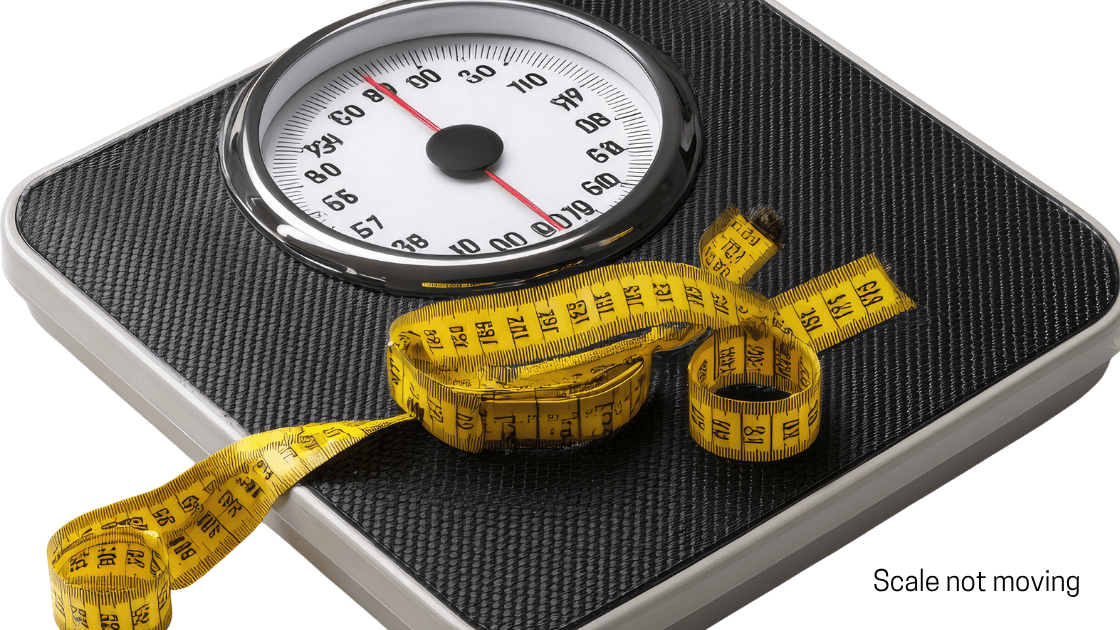
Grab a flexible measuring tape and track your waist, hips, chest, arms, and thighs every two to four weeks.
Measurements reflect actual changes in fat and muscle tissue and often drop even when the scale doesn’t. Many people lose inches while their weight stays stable, especially when building muscle.
Pro tip: Measure at the same time of day, under the same conditions, for the most consistent results.
Progress Photos
Photos capture changes your eyes adapt to over time. Take a front, side, and back photo in consistent lighting and clothing every two to four weeks.
Comparing photos across months reveals body composition shifts that daily scale-watching completely masks.
How Your Clothes Fit
Your wardrobe is an honest reporter. When jeans that used to be tight start feeling loose, that’s real, tangible progress regardless of what the scale says. Pay attention to how specific items of clothing feel week to week.
Strength and Performance Metrics
If you’re lifting more weight, running faster, completing more reps, or recovering more quickly than you were a month ago, that’s progress.
Functional fitness improvements signal that your body composition is shifting in a positive direction, even when the scale is quiet.
Energy Levels and Sleep Quality
Fat loss isn’t just about aesthetics. Track how you feel. Are you sleeping more soundly? Waking up with more energy? Experiencing fewer afternoon crashes? These quality-of-life improvements are legitimate markers of a healthier body.
Hunger and Craving Patterns
As your nutrition improves and blood sugar stabilizes, many people notice reduced cravings, more stable hunger, and a healthier relationship with food.
These behavioral shifts are signs your metabolism is healing, and they matter far more long-term than a few pounds on a scale.
Health Biomarkers
If you have access to blood work, metrics like fasting glucose, insulin sensitivity, triglycerides, blood pressure, and cholesterol levels are powerful indicators of health improvements that the scale can’t show. Improving these markers reduces disease risk regardless of weight.
Body Fat Percentage
If you want a number to track, body fat percentage is far more meaningful than total weight.
Methods range from simple skinfold calipers and bioelectrical impedance scales (which are inexpensive but variable) to DEXA scans (highly accurate but require a clinic visit).
Tracking body fat percentage over months gives you real data on whether you’re losing fat and preserving muscle.
How to Use the Scale Wisely (If You Use It at All)
If you still want to weigh yourself, and many people find it useful, here’s how to do it without letting it derail you:
- Weigh weekly or biweekly, not daily. This smooths out the noise and shows actual trends.
- Weigh at the same time every session, ideally first thing in the morning, after using the bathroom, before eating, or drinking.
- Track a rolling average. Apps like Happy Scale or Libra calculate a moving average that filters out daily fluctuations and shows the true trend line.
- Contextualize the number. Did you eat salty food yesterday? Sleep poorly? Start a new workout? These factors explain short-term spikes.
- Never let a single weigh-in dictate your mood or decisions. One data point means nothing. Trends over 4 to 8 weeks mean something.
Redefining What “Progress” Means
Real fat loss progress looks like this.
- Clothes fitting better
- Getting stronger in the gym
- Having more energy throughout the day
- Sleeping more soundly
- Making consistently healthier food choices
- Feeling more confident and capable in your body
None of that shows up on a scale.
The number on the scale is a piece of data, not a grade, not a measure of your worth, and definitely not the full story of your health.
The most successful people in long-term body transformation learn to zoom out, collect multiple data points, and trust the process even when the scale isn’t cooperating.
Your body is doing more than you think. Make sure you’re measuring enough of it to see the truth.
The Bottom Line
The scale isn’t your enemy, but it’s a blunt instrument in a nuanced journey. Weight fluctuates constantly based on water, food, hormones, and muscle, none of which reflect your actual fat loss progress in real time.
Track your measurements. Take photos. Notice how your clothes fit. Pay attention to your strength, energy, and sleep.
These metrics paint a far more accurate and encouraging picture of the work you’re doing.
Stop letting a single number write the whole story.
Looking for more evidence-based strategies for fat loss and body composition? Explore the Weight Loss Dossier for in-depth guides, reviews, and tools to help you make smarter progress.