
📌 Key Takeaway
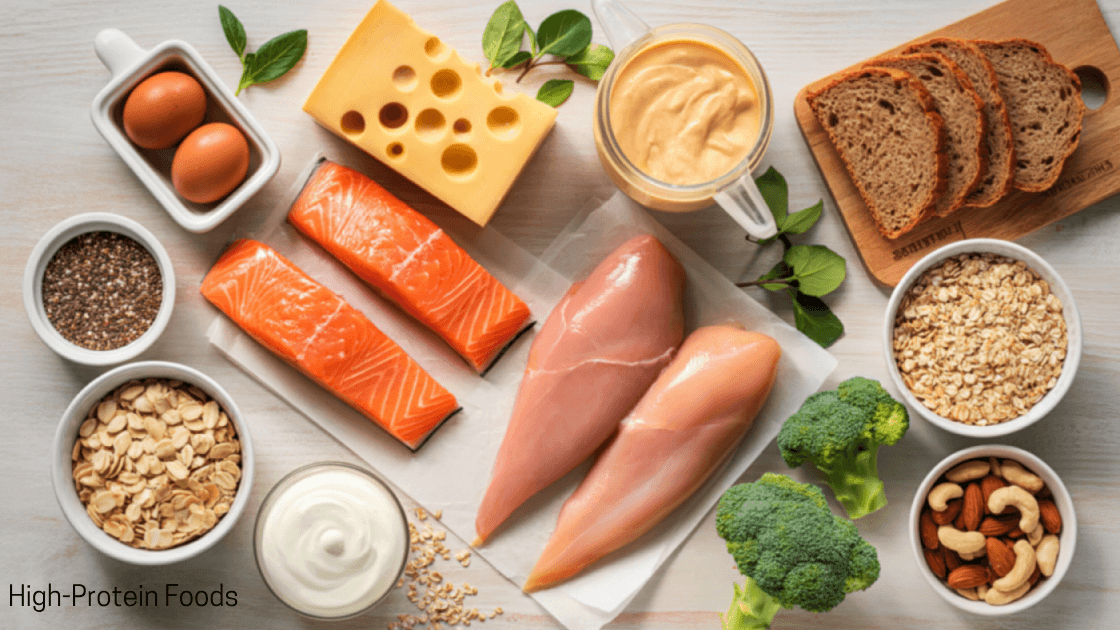
Eating more protein is one of the most evidence-backed strategies for losing weight. High-protein foods reduce hunger, boost your metabolism, and help you hold onto muscle while burning fat. This guide covers the best sources and exactly how to use them.
If you’ve been struggling to lose weight, protein might be the missing piece of your diet.
Research consistently shows that high-protein diets lead to greater fat loss, less muscle loss, and stronger appetite control than lower-protein approaches.
But not all protein sources are created equal. Some are calorie-dense, some are ultra-processed, and some are nutritional powerhouses that deserve a permanent spot on your plate.
In this article, we break down the best high-protein foods for weight loss backed by science along with practical tips for fitting them into your daily meals.
Why Protein Is Essential for Weight Loss
Before diving into specific foods, it helps to understand why protein is so powerful for weight management. Here are the four key reasons:
Protein Keeps You Fuller, Longer
Protein is the most satiating macronutrient. It triggers the release of fullness hormones like GLP-1 and peptide YY, while suppressing ghrelin the hunger hormone.
Studies show that increasing protein intake to 25–30% of total calories can reduce overall calorie intake by 400–500 calories per day without deliberate restriction.
Protein Boosts Your Metabolism
Your body burns more calories digesting protein than it does breaking down carbs or fat a concept called the thermic effect of food (TEF).
Protein has a TEF of 20–35%, compared to just 5–10% for carbs and 0–3% for fat. In practical terms, eating 100 calories of protein may only “cost” you 65–80 net calories.
Protein Protects Muscle During a Caloric Deficit
When you cut calories to lose weight, your body risks breaking down muscle for fuel, especially if protein intake is low.
Muscle is a metabolically active tissue, meaning it burns calories even at rest. Eating enough protein helps preserve lean mass, so the weight you lose is mostly fat.
Protein Reduces Late-Night Cravings
A higher-protein diet has been shown to reduce cravings, especially late-night snacking, which is often responsible for hidden calorie surpluses.
One study found that increasing protein from 15% to 30% of calories cut late-night snacking nearly in half.
| 💡 How Much Protein Do You Need? For weight loss, most research supports 1.2–1.6 grams of protein per kilogram of body weight per day (or 0.54–0.73g per pound). If you are very active or doing resistance training, aim for the higher end. |
The Best High-Protein Foods for Weight Loss
Animal-Based Protein Sources
Chicken Breast
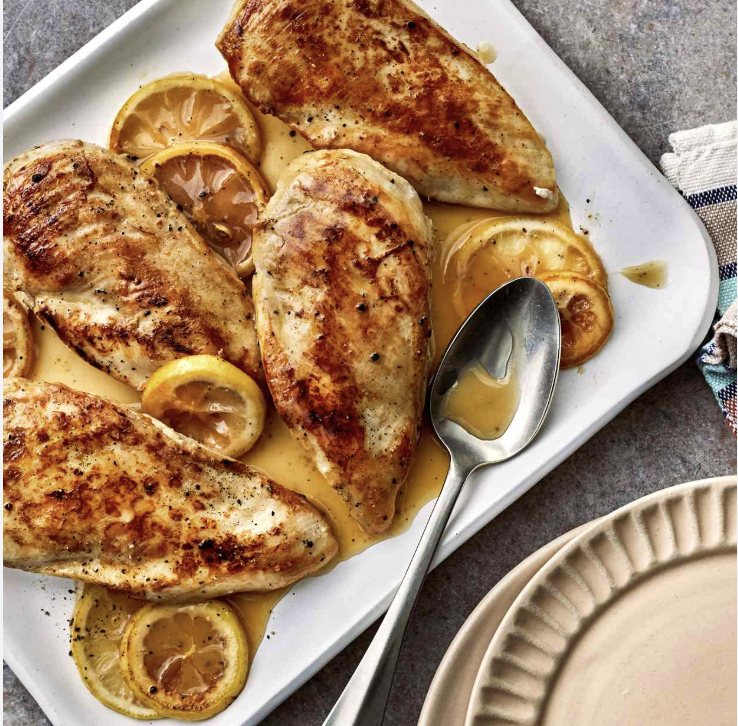
Protein per 100g (cooked): ~31g | Calories: ~165
Chicken breast is the gold standard of lean protein. It is low in fat, versatile in the kitchen, and packed with muscle-preserving amino acids.
Bake, grill, poach, or stir-fry it it adapts to virtually any cuisine. Opt for skinless breast over thighs to keep fat content minimal.
| ✅ Weight Loss Tip Batch-cook 4–5 chicken breasts on Sunday and use them throughout the week in salads, wraps, grain bowls, or soups. It makes hitting your protein goals effortless. |
Canned Tuna
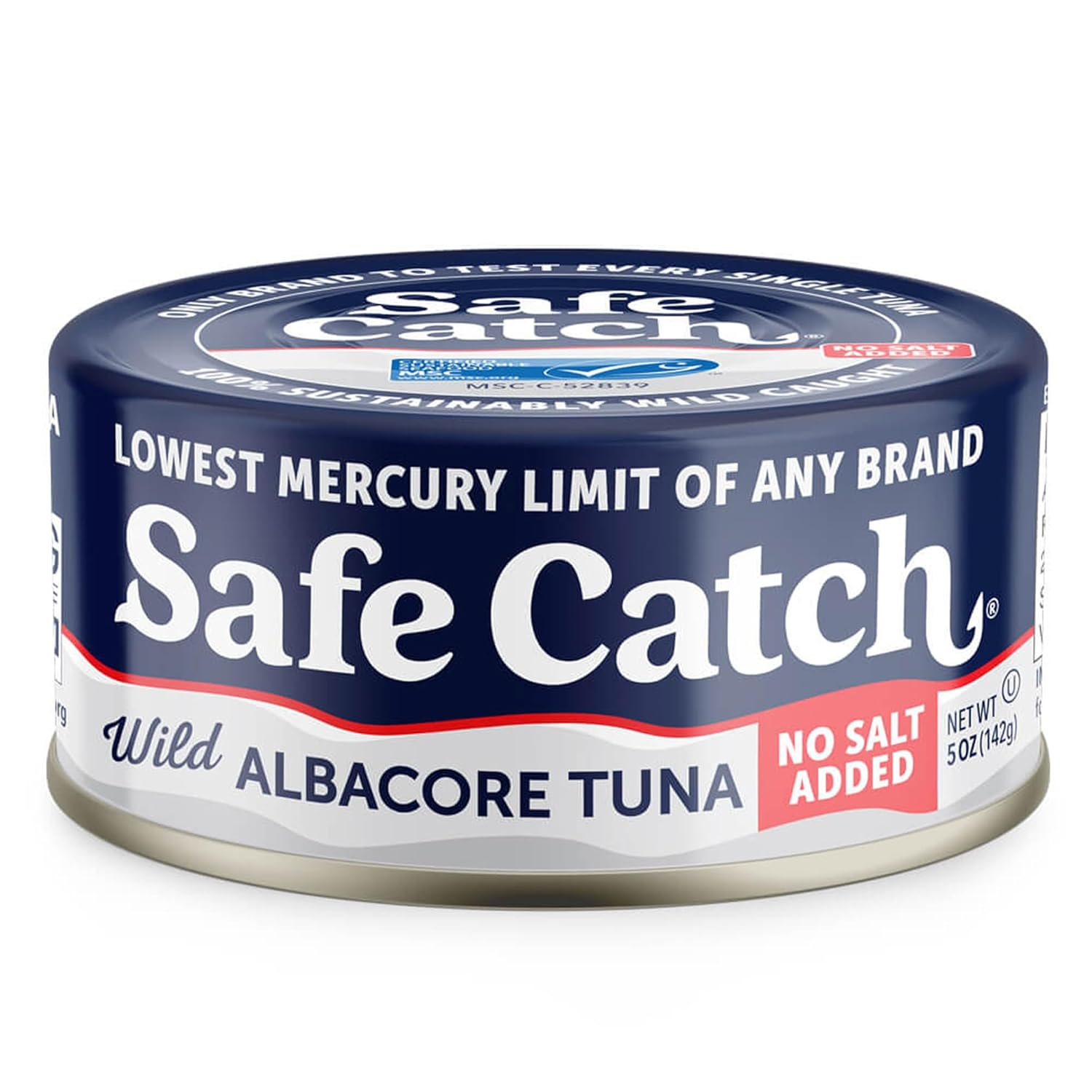
Protein per 100g: ~25–30g | Calories: ~100–130
Canned tuna is one of the most affordable and convenient high-protein foods on the planet.
It requires zero cooking, lasts for years in your pantry, and can be mixed into salads, wraps, or eaten straight with a fork. Choose tuna packed in water over oil to keep calories lower.
Limit to 2–3 servings per week due to mercury content.
Salmon
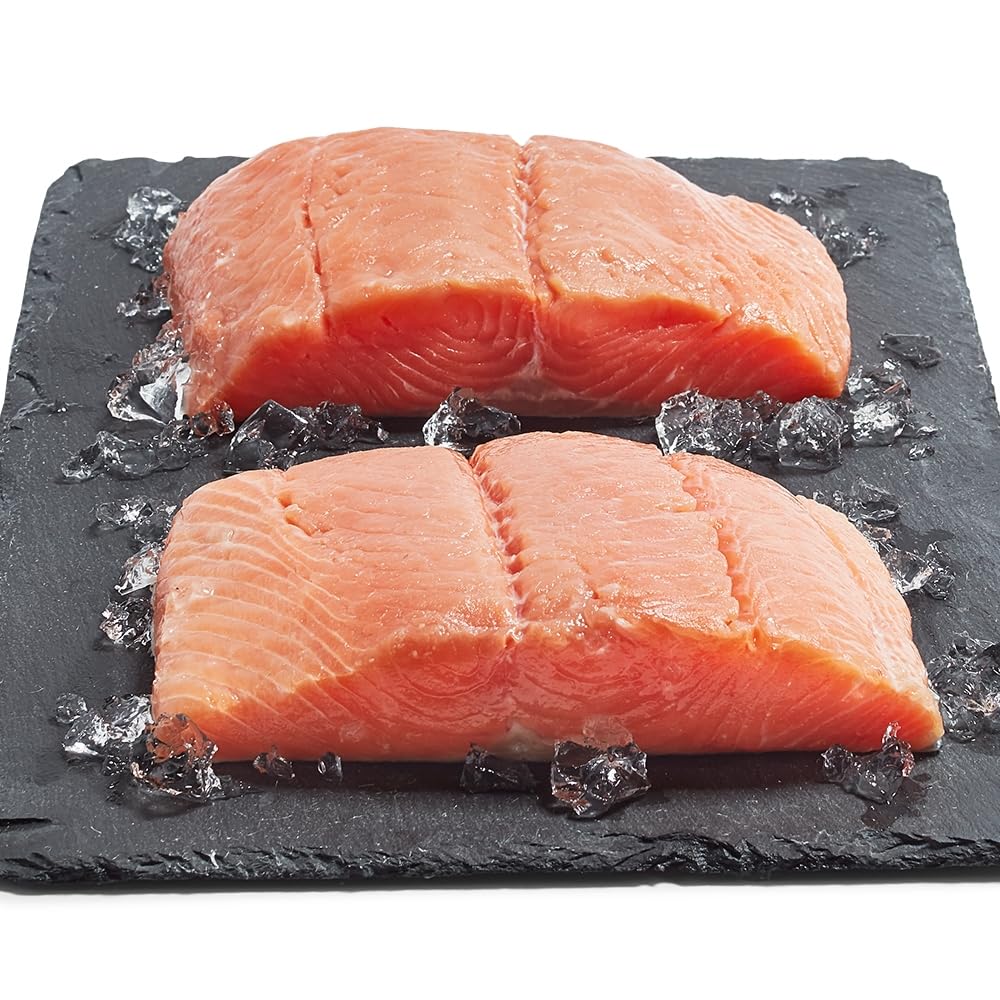
Protein per 100g: ~25g | Calories: ~200
Salmon is unique because it delivers both high-quality protein and omega-3 fatty acids a combination that supports fat burning, reduces inflammation, and improves insulin sensitivity.
It is slightly higher in calories than chicken or tuna due to its fat content, but those fats actively support weight loss and overall health.
Eggs
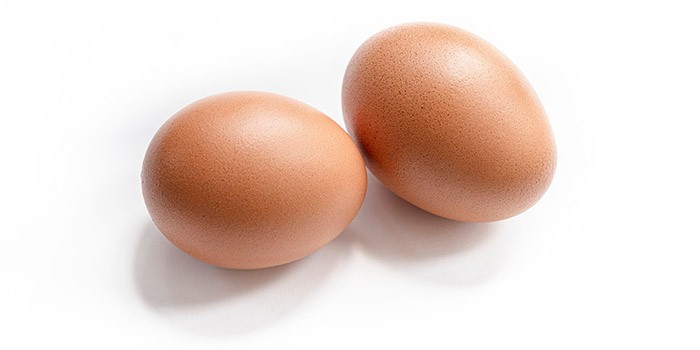
Protein per large egg: ~6g | Calories: ~70
Eggs are one of the most nutrient-dense foods available. A 2008 study published in the International Journal of Obesity found that eating eggs for breakfast instead of bagels led to significantly greater weight loss over 8 weeks. The yolk contains the bulk of the nutrients do not throw it away.
Hard-boiled eggs make excellent portable snacks. Two eggs and a piece of fruit are a quick, satisfying breakfast under 250 calories.
Greek Yogurt (Non-Fat or Low-Fat)
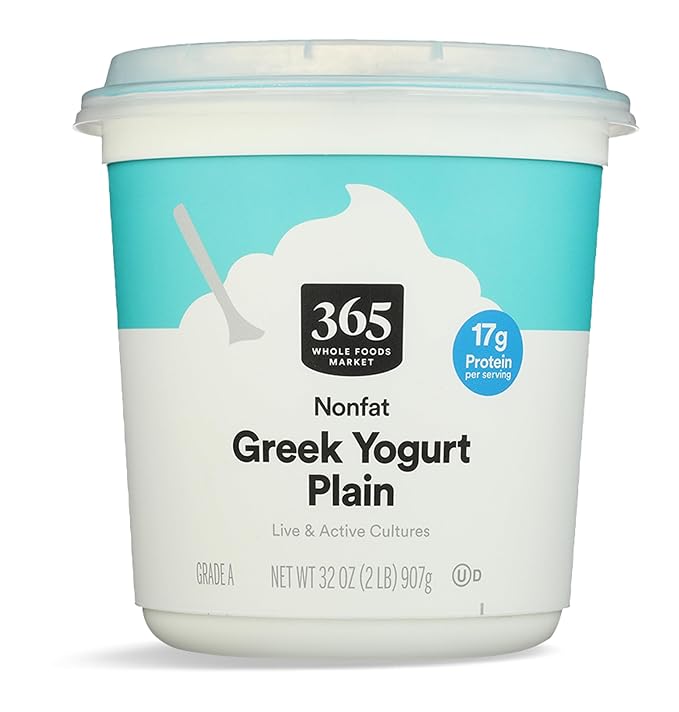
Protein per 170g serving: ~15–20g | Calories: ~100–150
Greek yogurt has roughly twice the protein of regular yogurt and is rich in probiotics that support gut health.
A healthy gut microbiome has been linked to better weight management and reduced inflammation.
Choose plain, unsweetened varieties and add your own berries or a drizzle of honey to control sugar content.
Cottage Cheese
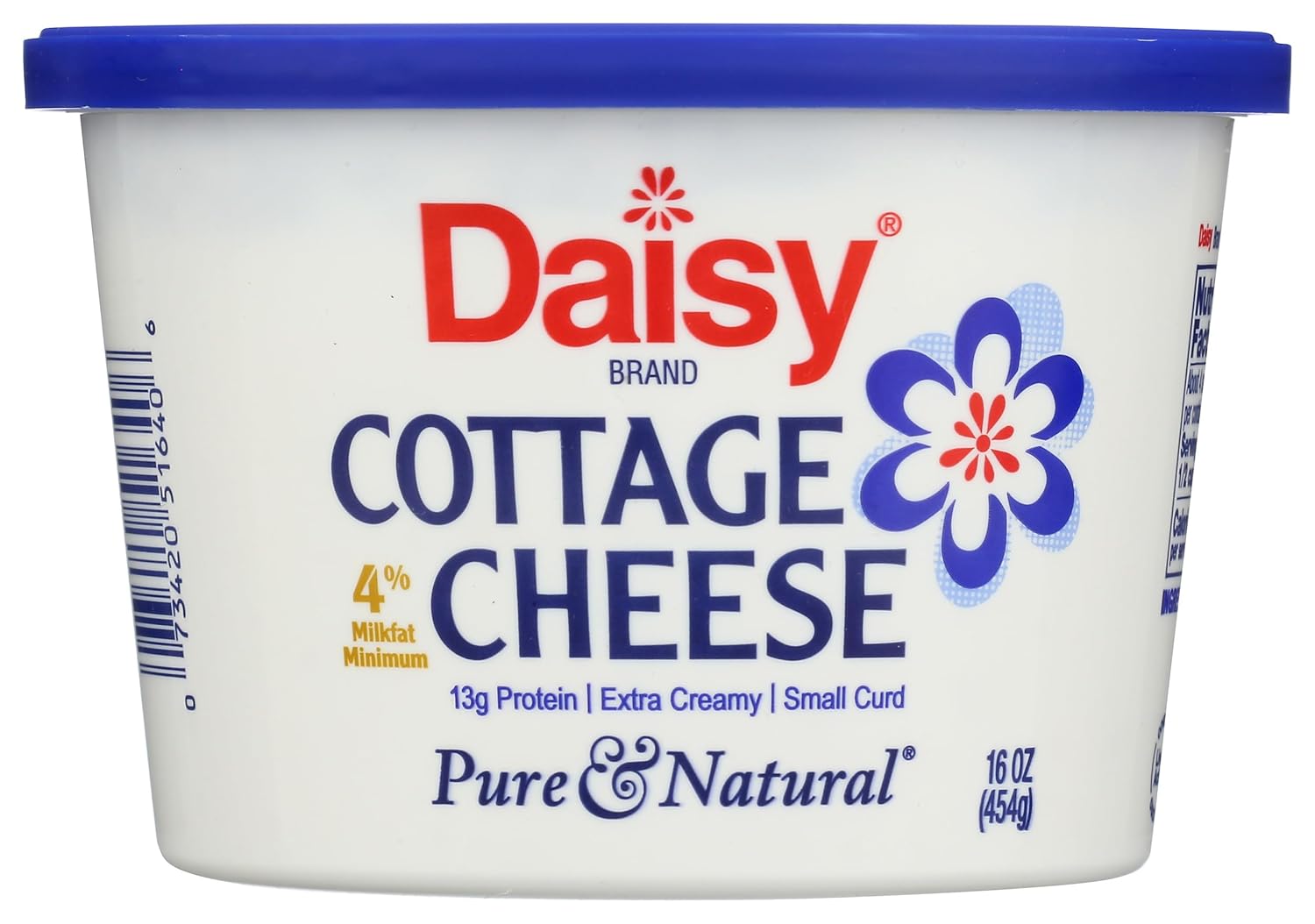
Protein per 100g: ~11g | Calories: ~85
Cottage cheese is high in casein protein a slow-digesting protein that keeps you full for hours.
It is an especially good choice as a late-night snack, as casein continues to supply amino acids to your muscles while you sleep. Pair it with cucumber, cherry tomatoes, or use it as a base for savory dips.
Turkey Breast
Protein per 100g: ~30g | Calories: ~135
Turkey breast rivals chicken in its protein density and leanness. Deli-sliced turkey makes a fast, no-cook protein option. Wrap it around avocado and cucumber for a low-carb, high-protein snack.
Ground turkey is also an excellent substitute for ground beef in tacos, pasta sauces, and burgers.
Shrimp
Protein per 100g: ~24g | Calories: ~85
Shrimp is an extraordinarily lean protein source. A full 100g serving contains fewer than 90 calories with virtually no fat.
Shrimp cook in under five minutes and work in stir-fries, tacos, grain bowls, and salads.
It is also rich in iodine, which supports healthy thyroid function important for regulating metabolism.
Plant-Based Protein Sources
Lentils
Protein per 100g (cooked): ~9g | Calories: ~116
Lentils are nutritional powerhouses for plant-based eaters. They deliver protein, complex carbohydrates, and fiber a combination that makes them extremely filling and supportive of stable blood sugar.
The fiber in lentils feeds beneficial gut bacteria and slows digestion, keeping hunger at bay for hours. Use them in soups, stews, curries, or as a side dish.
Black Beans and Chickpeas
Protein per 100g (cooked): ~7–9g | Calories: ~120–140
Legumes like black beans and chickpeas are excellent plant-based proteins that also supply resistant starch a type of carbohydrate that feeds gut bacteria and reduces calorie absorption.
Canned varieties are just as nutritious as dried and take only minutes to prepare. Add them to salads, blend chickpeas into hummus, or use black beans as a filling in tacos.
Edamame
Protein per 100g: ~11g | Calories: ~120
Edamame (young soybeans) is one of the few plant foods that contains all essential amino acids, making it a complete protein.
It is also rich in fiber, folate, and vitamin K. Edamame makes an excellent snack: lightly salted and steamed, a one-cup serving delivers 17 grams of protein for around 190 calories.
Tofu and Tempeh
Tofu protein per 100g: ~8g | Tempeh protein per 100g: ~19g
Both tofu and tempeh are soy-based proteins that are completely plant-based and highly versatile.
Tempeh, which is fermented, is the higher-protein option and contains probiotics that support gut health.
Tofu absorbs flavors beautifully when marinated and is excellent baked, stir-fried, or scrambled. Both are excellent for plant-based weight loss diets.
Hemp Seeds
Protein per 3 tbsp: ~10g | Calories: ~170
Hemp seeds are a complete protein with a favorable omega-3 to omega-6 ratio. They require zero preparation.
Simply sprinkle them on yogurt, oatmeal, salads, or smoothies. They have a mild, nutty flavor and are easy to incorporate into virtually any meal.
Dairy & Protein Supplements
Whey Protein Powder
Protein per scoop (~30g): ~20–25g | Calories: ~120
Whey protein is the most studied protein supplement in the world, with decades of research supporting its role in muscle building, fat loss, and appetite control.
It is derived from milk and is a fast-digesting, complete protein. A scoop blended into a smoothie with banana and almond milk is a quick, high-protein meal replacement or post-workout snack.
For those who are dairy-intolerant, pea protein or brown rice protein powders are solid plant-based alternatives.
How to Build Meals Around Protein for Weight Loss
Knowing which foods are high in protein is only half the battle — you also need a strategy for incorporating them consistently. Here are practical guidelines:
- Start with protein first: Plan every meal around a protein source. Then add vegetables, then complex carbs. This naturally keeps calories in check.
- Aim for 25–40g per meal: Spreading protein across meals (rather than loading it all at dinner) maximizes muscle protein synthesis throughout the day.
- Prep in advance: Cook proteins in bulk at the start of the week. Grilled chicken, hard-boiled eggs, and cooked lentils store well in the fridge for 4–5 days.
- Snack smart: Replace chips and crackers with Greek yogurt, cottage cheese, hard-boiled eggs, edamame, or a protein shake.
- Track your intake: Use a free app like Cronometer or MyFitnessPal to track protein intake for at least a few weeks until hitting your targets becomes intuitive.
Quick Reference: High-Protein Foods at a Glance
| Food | Protein (per 100g) | Calories | Best For |
|---|---|---|---|
| Chicken Breast | ~31g | ~165 kcal | Lean muscle, versatility |
| Canned Tuna | ~28g | ~115 kcal | Budget-friendly convenience |
| Salmon | ~25g | ~200 kcal | Omega-3s + protein |
| Eggs | ~13g | ~155 kcal | Quick meals, satiety |
| Greek Yogurt | ~10g | ~90 kcal | Snacks, gut health |
| Cottage Cheese | ~11g | ~85 kcal | Slow-digesting, night snack |
| Shrimp | ~24g | ~85 kcal | Low-calorie lean protein |
| Lentils | ~9g | ~116 kcal | Plant-based, fiber-rich |
| Edamame | ~11g | ~120 kcal | Complete plant protein |
| Tempeh | ~19g | ~195 kcal | Vegan, fermented protein |
Frequently Asked Questions
Can I eat too much protein on a weight loss diet?
For most healthy people, high protein intake is safe. Extremely high intakes (over 3g per kg body weight) are unnecessary and can strain the kidneys in people with pre-existing kidney conditions. For the average person targeting weight loss, 1.2–2.0g per kg is optimal and safe.
Are protein bars good for weight loss?
Protein bars can be convenient, but many are loaded with sugar, artificial additives, and excess calories.
If using them, look for bars with at least 15g of protein, fewer than 5g of added sugar, and under 250 calories. Whole food protein sources are generally a better choice when accessible.
Is plant protein as effective as animal protein for weight loss?
Yes, total protein intake matters more than the source. Plant proteins are slightly lower in leucine (an amino acid critical for muscle synthesis), so plant-based eaters may benefit from eating a wider variety of sources or slightly increasing overall protein intake. Combining foods like rice and beans provides a complete amino acid profile.
When is the best time to eat protein for weight loss?
Spreading protein evenly across meals, roughly 25–40g at breakfast, lunch, and dinner, has been shown to optimize muscle protein synthesis throughout the day.
Eating protein at breakfast is particularly powerful for reducing total daily calorie intake.
The Bottom Line
Protein is one of the most powerful tools in your weight loss arsenal — and it works by hitting multiple levers at once: reducing appetite, boosting metabolism, protecting muscle, and cutting cravings.
The best high-protein foods for weight loss include chicken breast, salmon, eggs, Greek yogurt, cottage cheese, tuna, shrimp, lentils, edamame, and tempeh. There is a high-protein option for every dietary preference and budget.
The key is consistency. Build every meal around a quality protein source, distribute your intake throughout the day, and use the practical strategies in this guide to make high-protein eating a sustainable habit, not a short-term fix.
| 📣 Next Steps Ready to get started? Try adding one new high-protein food from this list each week. Explore more evidence-based nutrition strategies on weightlossdossier.com. |