
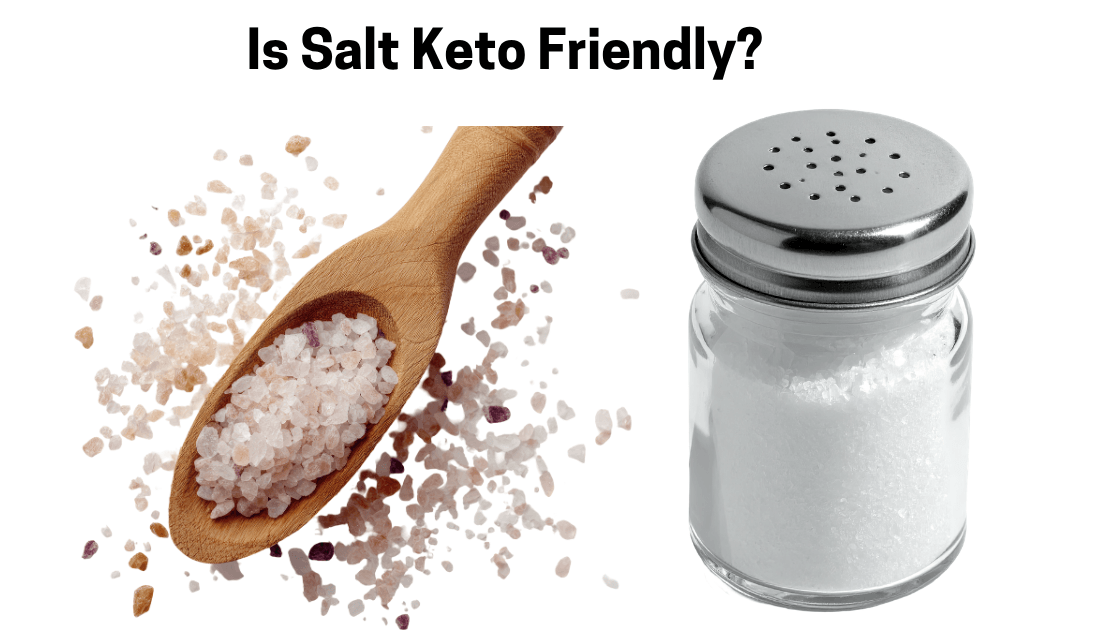

Yes, salt is absolutely keto friendly and more than that, it’s essential on a ketogenic diet.
Unlike high-carb diets, where excess sodium can be a concern, keto dramatically changes the way your kidneys handle salt, making adequate sodium intake a must for feeling your best.
If you’ve ever heard of the “keto flu,” that foggy, fatigued feeling in the first days of going low-carb, there’s a good chance salt deficiency was part of the problem.
In this article, we’ll break down exactly why salt is not only safe on keto but also necessary, how much you should consume, which types of salt are best, and a few situations where you may want to be cautious.
Why Salt Is Important on a Keto Diet
When you cut carbohydrates, your body stops storing as much glycogen (the stored form of glucose). Each gram of glycogen holds about 3 grams of water.
As glycogen depletes, your body flushes out water, along with essential electrolytes like sodium, potassium, and magnesium.
On top of that, low insulin levels, a hallmark of keto, signal the kidneys to excrete more sodium.
This is a completely normal physiological response, but it means you need to replace what you’re losing.
Without enough salt, you may experience.
- Headaches.
- Fatigue and brain fog.
- Muscle cramps.
- Dizziness or lightheadedness.
- Irritability and poor focus.
- Nausea.
These are all classic keto flu symptoms, and many of them disappear quickly when sodium is properly replenished.
How Much Salt Do You Need on Keto?
Standard dietary guidelines recommend 2,300 mg of sodium per day (about 1 teaspoon of table salt) for the general population.
But on keto, most experts and practitioners suggest 3,000–5,000 mg of sodium per day, especially in the early adaptation phase.
Here’s a simple daily sodium breakdown for keto:
| Phase | Suggested Sodium Intake |
|---|---|
| First 1–2 weeks (adaptation) | 4,000–5,000 mg/day. |
| Ongoing keto maintenance | 3,000–4,000 mg/day. |
| Active/sweating heavily | Up to 5,000+ mg/day. |
How to hit your sodium goals.
- Salt your food generously at every meal.
- Drink homemade bone broth (naturally rich in sodium).
- Add a pinch of salt to your water or electrolyte drinks.
- Use keto-friendly electrolyte supplements.
Does Salt Break Ketosis?
No. Salt contains zero carbohydrates and zero calories, so it has absolutely no effect on blood glucose, insulin levels, or ketosis. You can use salt freely without worrying about being kicked out of fat-burning mode.
What can break ketosis are hidden ingredients in flavored salts or seasoning blends; more on that below.
Best Types of Salt for Keto
Not all salt is created equal. Here’s a breakdown of the most popular options:
Himalayan Pink Salt ⭐ (Top Pick)
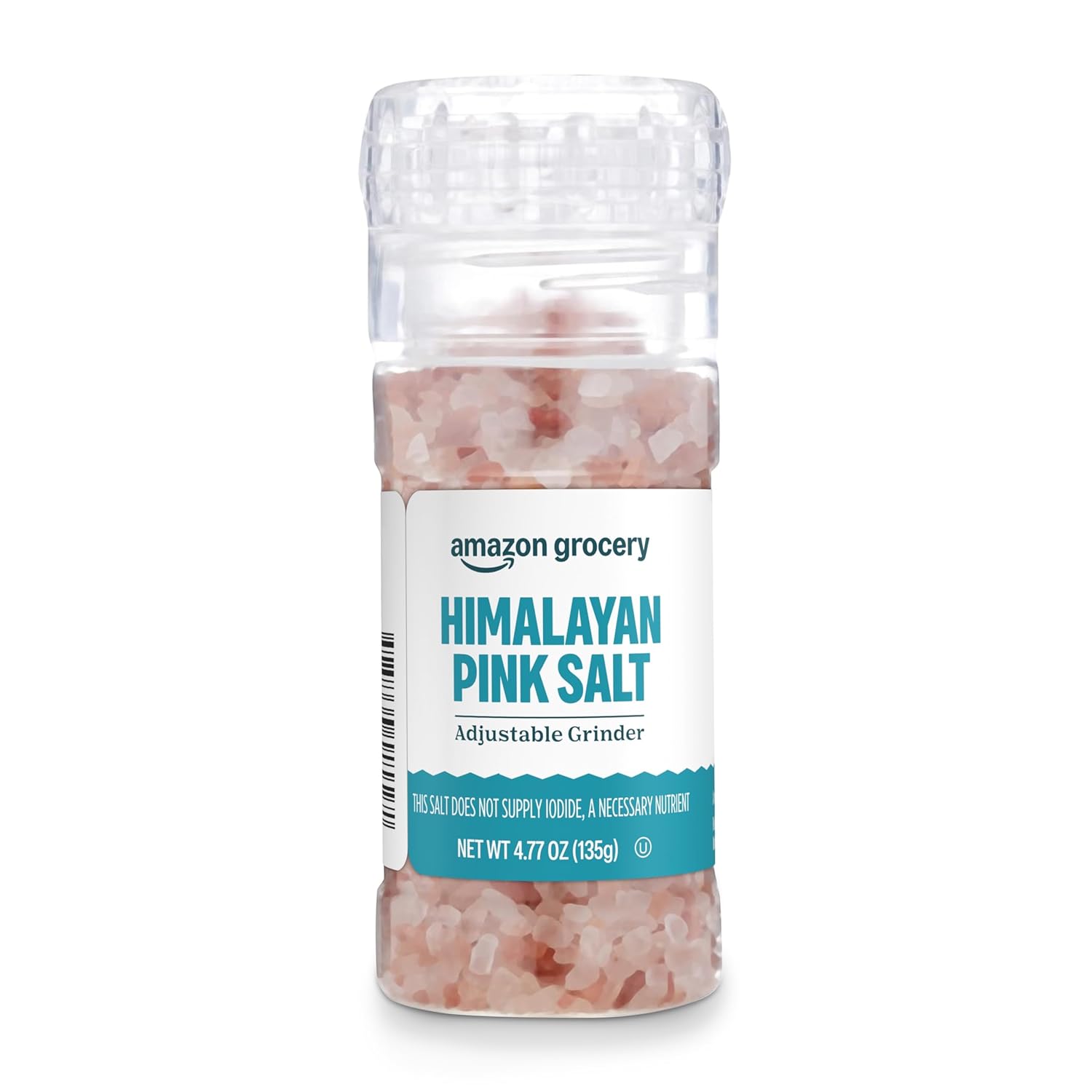
Mined from ancient sea beds in Pakistan, Himalayan pink salt contains trace minerals including magnesium, potassium, and calcium.
It has a slightly milder flavor than regular table salt. Many keto dieters prefer it for both taste and the added mineral content.
Sea Salt
Sea salt is minimally processed and retains trace minerals from evaporated seawater.
It’s a great everyday option and comes in fine and coarse varieties. Look for unrefined versions for the most nutritional benefit.
Celtic Grey Salt (Sel Gris)
Harvested from coastal clay beds in France, Celtic grey salt is moist and mineral-rich. It has a robust, earthy flavor and is one of the least processed salts available. Excellent for keto because of its natural mineral content.
Regular Table Salt (Iodized)
Standard iodized table salt is keto-friendly and provides the important benefit of iodine, a mineral many people don’t get enough of.
If you’re not eating seafood or dairy regularly on keto, iodized salt can help prevent deficiency.
The downside is that it’s highly processed and lacks the trace minerals of sea or Himalayan salts.
Lite Salt / Salt Substitutes: Use Caution
Products like NoSalt and Nu-Salt replace sodium with potassium chloride. These can actually be beneficial on keto for boosting potassium (another electrolyte you lose), but they can be dangerous in large amounts, especially if you have kidney issues or take certain medications. Use sparingly and consult your doctor if unsure.
❌ What to Avoid: Flavored Salts & Seasoning Blends
Many seasoning salts, garlic salts, and spice blends contain added sugars, maltodextrin, or starchy fillers that can add hidden carbs. Always read the label before using any pre-mixed seasoning on keto.
Salt and Electrolyte Balance on Keto
Sodium doesn’t work alone. On keto, your three main electrolytes are:
- Sodium regulates fluid balance, nerve function, and muscle contractions
- Potassium works alongside sodium, and it supports heart health and muscle function
- Magnesium supports sleep, mood, muscle recovery, and blood sugar regulation
Getting enough salt actually helps your body hold onto potassium and maintain overall electrolyte harmony. Think of sodium as the anchor of your electrolyte system.
Good keto-friendly potassium sources: avocado, spinach, salmon, mushrooms, zucchini
Good keto-friendly magnesium sources: dark leafy greens, pumpkin seeds, almonds, dark chocolate (85%+)
Can Salt Help With Weight Loss on Keto?
Salt itself doesn’t cause fat loss, but maintaining proper sodium levels on keto supports conditions where fat loss thrives:
- More energy → more movement and exercise
- Fewer cravings → electrolyte imbalances can trigger false hunger signals
- Better sleep → adequate magnesium and sodium improve sleep quality, which directly affects weight loss hormones
- Less water retention (paradoxically) → drinking more water and getting enough sodium actually helps your body release excess retained water
Chronically low sodium, on the other hand, can cause fatigue and muscle weakness that derail your keto journey before it even gets started.
Who Should Be Careful With Salt on Keto?
While most people thrive with higher sodium intake on keto, there are exceptions:
- People with hypertension (high blood pressure): Some individuals are “salt sensitive” and may see blood pressure spikes with high sodium. Work with your doctor to find the right balance.
- Those with kidney disease: Impaired kidneys may not regulate sodium properly. Medical supervision is important.
- People on medications: Certain medications (like diuretics, ACE inhibitors, or lithium) interact with sodium levels. Always check with your healthcare provider.
If you’re healthy and have no pre-existing conditions, the research generally supports that sodium restriction is not necessary on a ketogenic diet and may actually be harmful.
Practical Tips for Getting Enough Salt on Keto
- Salt your food at every meal: don’t shy away from the shaker
- Drink bone broth: 1–2 cups per day is a keto staple and natural electrolyte source
- Add a pinch of salt to water, especially post-workout or when sweating
- Use an electrolyte supplement: look for one that contains sodium, potassium, and magnesium with no added sugars
- Eat naturally salty keto foods: olives, pickles, canned sardines, aged cheeses
- Track your sodium: Use an app like Cronometer to make sure you’re hitting your goals
The Bottom Line: Is Salt Keto Friendly?
Absolutely yes. Salt is not only keto-friendly; it’s one of the most important nutrients to pay attention to on a ketogenic diet.
Your kidneys excrete more sodium on keto, and failing to replace it is one of the most common reasons people feel terrible in the first few weeks.
Embrace the salt shaker. Choose quality salts like Himalayan pink or sea salt for added minerals. Aim for 3,000–5,000 mg of sodium daily.
And if you’re experiencing keto flu symptoms, increasing your salt intake is often the fastest fix.
Keto is a diet where salt is your friend. Use it wisely, and your body will thank you.
Disclaimer
This article is for informational purposes only and does not constitute medical advice.
Always consult with a qualified healthcare provider before making significant dietary changes, especially if you have a medical condition or are taking medication.
About WeightLossDossier.com. Your trusted resource for evidence-based keto, low-carb, and weight loss information.