
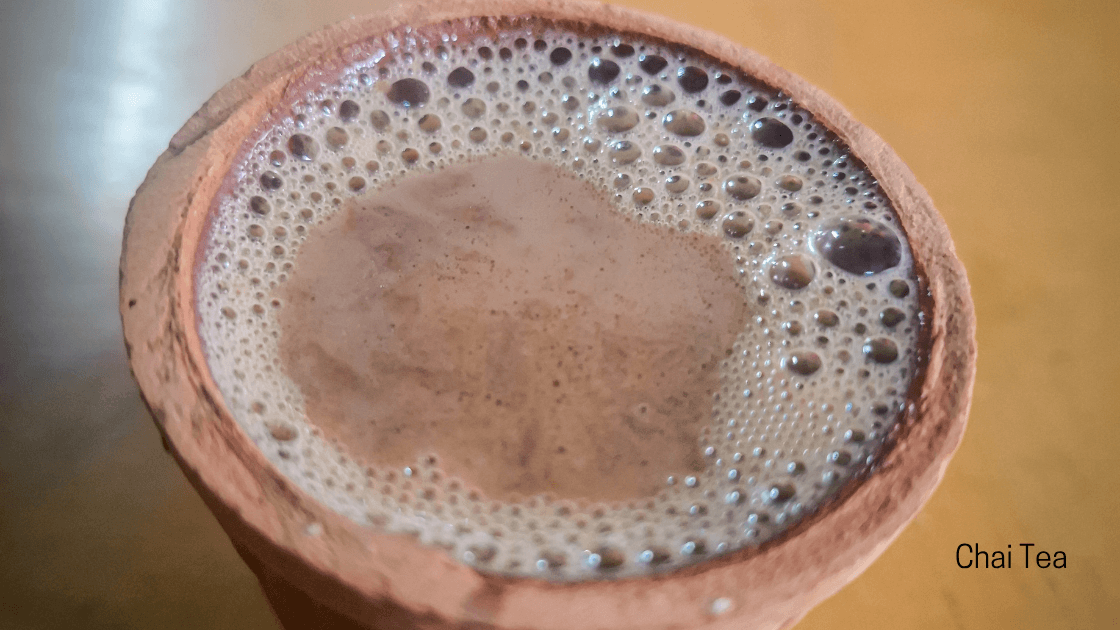

Chai tea, the aromatic, spiced brew that has warmed homes across South Asia for thousands of years, has surged in popularity worldwide.
But beyond its comforting flavor, many health-conscious drinkers are asking a very specific question: Is chai tea good for weight loss?
The short answer is: yes, it can be, but with some important caveats. The long answer requires us to look closely at what chai actually contains, how its ingredients interact with your metabolism, and where the common pitfalls lie (looking at you, 400-calorie coffeehouse chai lattes).
⚡ Key Takeaway
Chai tea made with minimal sugar and low-fat or plant-based milk can meaningfully support weight loss through metabolic benefits, appetite regulation, and as a calorie-smart swap for sugary drinks. It is not a miracle cure, but it is a genuinely useful tool.
What Is Chai Tea, Exactly?
The word “chai” simply means “tea” in Hindi. What most people in the West call “chai tea” is more accurately known as masala chai a blend of black tea, aromatic spices, milk, and a sweetener. The classic spice blend typically includes
Ginger
A potent digestive aid that promotes satiety and may enhance thermogenesis.
Cinnamon
Regulates blood sugar, reduces cravings, and contains metabolism-stimulating cinnamaldehyde.
Cardamom
Rich in antioxidants with potential diuretic and digestive properties.
Black Pepper
Contains piperine, shown to increase resting metabolic rate and fat breakdown.
Cloves
High in antioxidants; supports digestive health and may have anti-inflammatory effects.
Black Tea Base
Provides caffeine (40–60mg per cup) and theaflavins that boost fat oxidation.
Each of these ingredients carries its own health profile. Together, they create a beverage that is far more nutritionally interesting than a plain cup of tea.
How Chai Tea May Support Weight Loss
Metabolism Boost from Caffeine and Catechins
The black tea in chai delivers 40–60mg of caffeine per 8-ounce cup, roughly half the amount in coffee.
Caffeine is well-established as a metabolic stimulant: it increases the resting metabolic rate, meaning your body burns more calories even at rest.
Alongside caffeine, black tea provides compounds called catechins, specifically theaflavins and thearubigins, which research suggests can increase fat oxidation (the breakdown and burning of stored fat) and may even inhibit the enzyme that digests dietary fats, reducing how many fat calories your body absorbs.
Blood Sugar Regulation = Fewer Cravings
Cinnamon is one of the most studied spices in the context of metabolic health. It contains active compounds including cinnamaldehyde and eugenol, which may help stabilize blood sugar levels.
When blood sugar remains steady rather than spiking and crashing, you experience fewer intense cravings for sugary foods and processed carbohydrates, one of the most common reasons people overeat.
Ginger plays a complementary role here by supporting insulin sensitivity and reducing appetite.
Appetite Suppression and Satiety
Ginger in particular has strong evidence for promoting satiety, the feeling of fullness.
It acts as a digestive aid and supports gastrointestinal health, slowing gastric emptying and keeping you feeling satisfied for longer after a meal.
When chai is made with milk, it adds a meaningful protein boost (cow’s milk, soy milk, and pea milk each provide around 8g of protein per cup), which is independently linked to reduced snacking and improved weight management.
Piperine: The Underrated Metabolic Booster
Black pepper a key chai spice. It contains a bioactive compound called piperine.
Studies have shown piperine can increase the metabolic rate of resting muscle fibers, potentially amplifying the calorie-burning effects of chai’s other ingredients.
It also enhances the bioavailability of nutrients, meaning you absorb more of the beneficial compounds in the tea and spices.
A Smart Swap for High-Calorie Drinks
One of the most practical weight-loss benefits of chai is what it replaces. A properly prepared cup of chai with low-fat or plant-based milk and no added sugar contains roughly 60–120 calories.
Swapping a daily soda (140–200 calories), commercial frappé (300–500 calories), or sweet juice (150+ calories) for chai can create a consistent caloric deficit without feeling deprived.
📊 Research Insight
A study published in the Journal of Medicinal Food found that consuming a blend of black tea and spices similar to chai led to measurable increases in fat oxidation and improved metabolic parameters in overweight participants, including reductions in waist circumference and body fat percentage compared to a control group.
Chai Tea Calorie Comparison: The Good, the Bad, and the Ugly
Not all chai is created equal. Here’s a realistic look at calorie counts across different preparation methods.
| Chai Type | Calories (8–12 oz) | Sugar | Weight Loss Friendly? |
|---|---|---|---|
| Homemade, unsweetened + plant-based milk | 60–80 kcal | 0–2g | ✅ Yes |
| Homemade, light sweetener + low-fat milk | 90–130 kcal | 8–12g | ✅ Yes (moderate) |
| Chai tea bag, plain (no milk) | 0–5 kcal | 0g | ✅ Excellent |
| Store-bought concentrate + whole milk | 150–200 kcal | 25–35g | ⚠️ Use with caution |
| Coffeehouse chai latte (standard) | 240–340 kcal | 40–55g | ❌ Avoid for weight loss |
| Coffeehouse dirty chai (large, sweetened) | 350–450 kcal | 55–70g | ❌ Avoid for weight loss |
Pros and Cons of Chai Tea for Weight Loss
✅ Benefits
- Boosts resting metabolism via caffeine and catechins
- Reduces hunger and cravings through ginger and protein from milk
- Helps stabilize blood sugar with cinnamon
- Rich in antioxidants and anti-inflammatory compounds
- Low-calorie when prepared correctly
- Excellent, satisfying swap for sugary drinks
- Piperine from black pepper may enhance fat burning
❌ Drawbacks
- Commercial versions are often loaded with sugar and calories
- Not a standalone weight-loss solution
- Caffeine may disrupt sleep if consumed late
- Spice concentrations in a cup are lower than research doses
- Full-fat milk significantly increases calorie content
- Pre-made mixes may contain artificial flavors and additives
How to Prepare Chai Tea for Maximum Weight Loss Benefits
Start from scratch with whole spices
Use fresh cardamom pods, cinnamon sticks, whole black peppercorns, cloves, and a thumbnail of ginger root. Whole spices deliver more bioactive compounds than pre-ground powders or mixes.
Choose a quality black tea
Assam or Darjeeling loose-leaf tea provides a robust antioxidant base. Avoid overly processed instant chai mixes they often contain added sugars from the start.
Pick a smart milk option
Unsweetened oat milk, almond milk, soy milk, or low-fat cow’s milk keeps calories in check while adding creaminess. Soy milk and cow’s milk are best for protein content (~8g per cup).
Minimize or eliminate sweetener
Try going unsweetened first the spices provide natural warmth and mild sweetness. If needed, use a small amount of stevia, monk fruit sweetener, or raw honey. Avoid refined sugar and flavored syrups.
Time it strategically
Morning is ideal: caffeine and spices energize your metabolism for the day, and the protein from milk can curb mid-morning snacking. Avoid drinking chai within 4–6 hours of bedtime to protect sleep quality.
⚠️ Watch Out For
Coffeehouse “chai lattes“: even the standard-size versions at major chains can contain 40–70g of sugar per serving.
This essentially turns a healthy beverage into a dessert drink, negating any metabolic benefits and actively working against weight loss goals. Always ask for unsweetened and specify the milk type.
The Honest Reality: What Chai Tea Won’t Do
While chai’s weight-loss potential is real, it’s important to be clear about its limitations.
Chai tea is a supportive tool, not a magic solution. Here’s what the research actually says.
- Spice doses in studies are higher than what you get in a single cup of chai. The cinnamon benefits seen in clinical trials typically involve 1–6 grams per day, whereas a cup of chai contains a fraction of that amount.
- No beverage specifically targets belly fat. Fat loss is systemic, where your body loses fat from is largely determined by genetics.
- Chai works best alongside a caloric deficit. If your overall diet is in surplus, no amount of chai will reverse that equation.
The most effective use of chai tea for weight loss is as part of a consistently healthy lifestyle: a balanced, whole-food diet, regular physical activity, adequate sleep, and stress management.
Chai supports all of these through its energizing, stabilizing, and anti-inflammatory effects.
The Bottom Line
So, is chai tea good for weight loss? Yes, when prepared thoughtfully, it genuinely can be.
The metabolic synergy between black tea’s caffeine and antioxidants and the spice blend’s blood-sugar-regulating, fat-burning, and appetite-suppressing properties makes chai one of the more nutritionally interesting beverages you can incorporate into a weight-loss plan.
The key rules are simple: brew it yourself with whole spices, choose a lower-calorie milk, skip or minimize the sugar, and treat it as a complement to, not a replacement for, a balanced diet and active lifestyle.
Two or three well-made cups per day can boost your metabolism, keep you full, reduce cravings, and give you a deeply satisfying ritual that makes the whole weight-loss journey feel a little less like deprivation.
Want More Science-Backed Weight Loss Tips?
Join thousands of readers getting evidence-based strategies delivered weekly, no fads, no fluff. Subscribe to Weight Loss Dossier →
Disclaimer
This article is for informational purposes only and does not constitute medical advice. Always consult a healthcare provider before making changes to your diet.