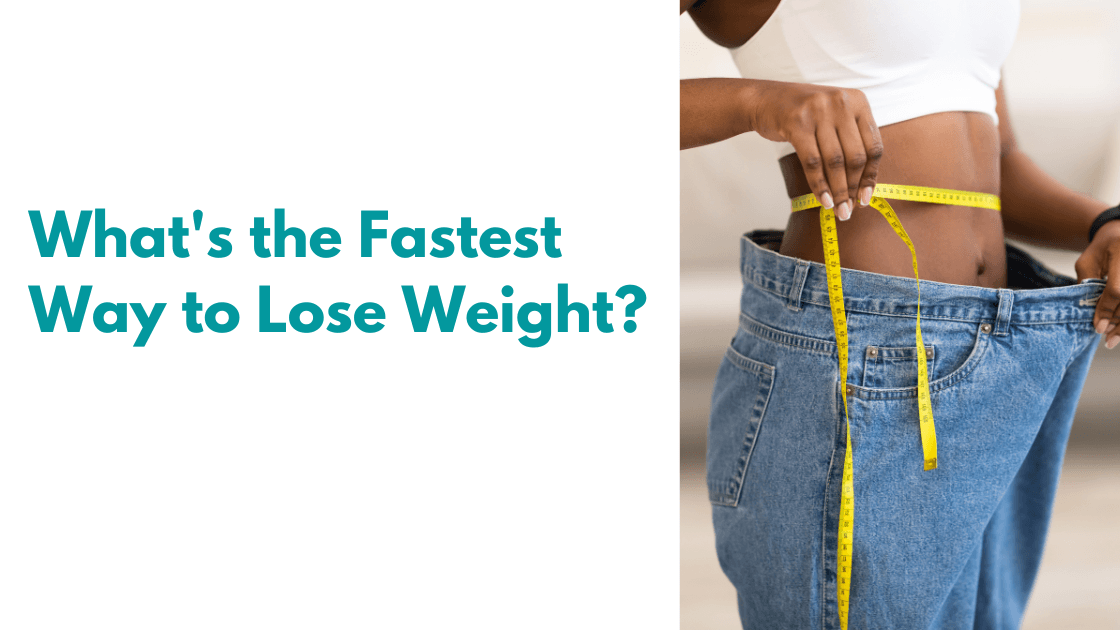

Everyone has a story about dropping 10 pounds in two weeks. But what actually separates real rapid fat loss from dangerous crash dieting, and what can you safely replicate?
Let’s be honest: when people ask “what’s the fastest way to lose weight?” they’re not looking for a philosophy lecture.
They have a wedding in six weeks, a class reunion on the horizon, or they just stepped off the scale and felt the floor drop out beneath them.
We get it. This article won’t waste your time moralizing about “slow and steady wins the race.”
Instead, we’ll break down the methods that actually produce the fastest real weight loss, meaning fat loss, not just water-weight tricks that evaporate the moment you drink a glass of juice.
We’ll also tell you exactly how much you can realistically expect to lose, in what timeframe, and what separates aggressive-but-safe from genuinely dangerous.
1–2 lbs
Safe fat loss per week
5–8 lbs
Possible week 1 total loss
500 Minimum daily calorie deficit
First, Understand the Two Types of “Fast” Weight Loss
Before we get to tactics, there’s a critical distinction that determines whether your results will last or evaporate by Friday.
Water Weight vs. Fat Mass
Your body stores carbohydrates as glycogen in your muscles and liver. Each gram of glycogen holds roughly 3 grams of water.
The moment you reduce carbohydrate intake or slash overall calories, your body burns through glycogen fast and releases all that water weight along with it.
This is why people can legitimately lose 5, 6, or even 8 pounds in the first week of a diet. Most of it is glycogen-bound water.
It’s real weight on the scale, it’s real inches off your waist, but it’s not the same as burning stored body fat.
True fat loss requires burning roughly 3,500 calories per pound. That math caps how fast fat can come off no matter how determined you are.
The good news
You can absolutely do both simultaneously, which is what makes week one of an aggressive diet feel so transformative.
The fastest sustainable weight loss happens when you attack both slashing water retention through dietary changes and building a consistent caloric deficit to burn actual fat.
The 6 Fastest Evidence-Backed Methods
Aggressive Caloric Deficit (The Non-Negotiable Core)
Nothing else on this list works without this. To lose weight, you must consume fewer calories than you burn.
A deficit of 500–750 calories per day produces roughly 1–1.5 lbs of fat loss per week. A deficit of 1,000 calories per day can theoretically produce 2 lbs per week but most experts advise against going beyond this without medical supervision, as aggressive deficits increase muscle loss and metabolic adaptation.
Quick start
Use a TDEE (Total Daily Energy Expenditure) calculator to find your maintenance calories, then subtract 600. That’s your daily target.
Low-Carb or Ketogenic Eating
Cutting carbohydrates below 50–100g per day triggers rapid glycogen depletion, which is responsible for that dramatic first-week scale drop most people experience.
Beyond the water weight, lower insulin levels from reduced carb intake also signal the body to mobilize stored fat for fuel.
Studies consistently show low-carb diets produce faster initial weight loss compared to low-fat approaches, though the gap often closes over 12+ months.
Best for: People who want fast, early results to stay motivated. Replace carbs with protein and non-starchy vegetables, not just fat.
Keto Diet: Your 30-Day Plan to Lose Weight
High-Protein Intake
Protein is the single most powerful dietary lever for rapid, quality weight loss. It dramatically increases satiety (you feel fuller on fewer calories), has the highest thermic effect of any macronutrient (your body burns ~30% of protein calories just digesting it), and critically, it preserves lean muscle mass during a deficit.
Losing muscle slows your metabolism; protecting it keeps the machine running hot. Aim for 0.7–1g of protein per pound of body weight daily.
Quick wins
Eggs, Greek yogurt, cottage cheese, chicken breast, fish, and legumes. Prioritize protein at every single meal.
Intermittent Fasting
Intermittent fasting (IF) doesn’t work magic — it works by making caloric restriction effortless for many people.
The most popular protocol, 16:8 (eating within an 8-hour window, fasting for 16), naturally eliminates one or two eating occasions per day.
Insulin levels fall during the fasting window, which enhances fat burning. The 5:2 protocol (eating normally 5 days, restricting to ~500 calories for 2 non-consecutive days) also shows strong results.
Research shows IF produces weight loss comparable to continuous caloric restriction, and some people find it far easier to sustain.
Best for
People who can skip breakfast comfortably. Black coffee and water are allowed in the fasting window.
Strength Training + Cardio Combination
Exercise alone rarely produces dramatic weight loss — you can undo a 45-minute run with one bad meal.
But combined with dietary changes, it’s a powerful accelerant. Strength training builds and preserves muscle (which raises resting metabolic rate), while HIIT cardio (high-intensity interval training) burns significant calories in short sessions and elevates post-exercise oxygen consumption, meaning you continue burning more calories for hours afterward.
Aim for 3–4 resistance sessions and 2–3 cardio sessions per week for maximum effect.
Time-crunched option
20-minute HIIT sessions (10 rounds of 40 seconds work / 20 seconds rest) burn as much as 45 minutes of steady-state cardio for many people.
Aggressive Sodium and Water Manipulation
This is the method bodybuilders and fighters use before a weigh-in — and it’s not “real” fat loss, but it can produce striking scale results fast.
Excess sodium causes the body to retain water; reducing it causes rapid water shedding.
Simultaneously, drinking more water (paradoxically) reduces water retention by signaling to your body that it doesn’t need to hold on to reserves.
Cutting processed foods, restaurant meals, and canned goods slashes hidden sodium intake dramatically. The result can be 3–5 lbs of water weight lost in just a few days.
Important
This is a complement to real fat loss strategies, not a replacement. It’s particularly effective in the first week alongside a caloric deficit.
What a Realistic Fast Weight Loss Timeline Looks Like
Here’s what you can genuinely expect if you combine a 600-calorie daily deficit, low-to-moderate carbs, high protein, and regular exercise:
- Week 1: 4–8 lbs (mostly water weight + early fat loss)
- Week 2: 1.5–3 lbs (the rate normalizes as glycogen stores stabilize)
- Weeks 3–8: 1–2 lbs per week consistently
- 2 months in: 12–20 lbs of real, lasting loss is achievable
The first week’s dramatic drop is real and motivating use it. But don’t be discouraged when week two produces less.
That’s your body settling into true fat-burning mode, and 1–2 lbs per week of pure fat is genuinely excellent progress.
What Does not Work (And Why People Still Try It)
Juice Cleanses and Detoxes
Your liver and kidneys detox your body continuously no $14 green juice required.
Juice cleanses produce rapid scale results because they’re extremely low-calorie and eliminate solid food (reducing digestive bulk and water retention).
But they provide almost no protein, which means significant muscle loss alongside any fat loss. The weight almost universally returns within days of resuming normal eating.
Very Low-Calorie Diets (Below 800 Cal/Day)
Crash diets below 800 calories per day do produce fast weight loss, but they trigger significant muscle loss, hormonal disruption (including drops in leptin, thyroid hormone, and testosterone), and can lower your resting metabolic rate, making it harder to lose weight afterward. They should only be attempted under medical supervision, if at all.
Weight Loss Supplements
With very few exceptions (caffeine has modest evidence behind it), over-the-counter weight loss supplements have weak or contradictory evidence of effectiveness.
Many are expensive; some carry real health risks. Invest that money in quality food instead.
The One Thing That Makes or Breaks Rapid Weight Loss
Here’s the insight most weight loss content skips: consistency over intensity.
The most aggressive diet you can maintain for 8 weeks will always outperform the most extreme diet you abandon after 10 days.
The fastest weight loss strategy is the one you can actually stick with, one that leaves you not miserable, not ravenously hungry at midnight, and not dreaming about everything you’re not eating.
For most people, that sweet spot is:
- A moderate caloric deficit (not starvation)
- Filling, high-protein, high-fiber meals
- A simple eating schedule (IF or three structured meals)
- Exercise that doesn’t feel like punishment
Find that, and you’ve found the fastest way to lose weight for you, specifically.
Frequently Asked Questions
What is the single fastest way to lose weight?
The fastest method combines a caloric deficit of 500–750 calories per day, reduced carbohydrates (to shed water weight rapidly), high protein intake (to preserve muscle), and daily movement. Most people can lose 5–8 lbs in the first week and 1–2 lbs of fat per week thereafter.
How much weight can you lose in a week safely?
Health experts generally consider 1–2 lbs of fat per week to be the safe maximum for most people. In week one, additional water weight loss (3–5 lbs) is common, making total first-week losses of 5–8 lbs possible and normal.
Does intermittent fasting speed up weight loss?
Intermittent fasting can accelerate weight loss for people who find it easier to maintain a caloric deficit in a compressed eating window.
Research shows it produces comparable results to continuous caloric restriction, with some people finding it significantly easier to sustain long-term.
Is it possible to lose 10 pounds in 2 weeks?
Yes, though not all of it will be fat. A combination of water weight loss (from reducing carbs and sodium) and a large caloric deficit can produce 8–12 lbs of total weight loss in two weeks for some individuals.
The fat component will typically be 3–4 lbs; the rest is water and digestive bulk.
What foods help you lose weight the fastest?
High-protein foods (eggs, chicken, fish, Greek yogurt, legumes), non-starchy vegetables (leafy greens, broccoli, zucchini), and fiber-rich foods that promote satiety are your best allies.
Eliminating ultra-processed foods, sugary beverages, and high-sodium packaged foods produces rapid early results through both calorie reduction and water weight loss.
The Bottom Line
There’s no singular “fastest way to lose weight,” but there is a set of evidence-backed levers that, pulled together, produce the most rapid, safe results: a meaningful caloric deficit, high protein, reduced carbs for early water weight loss, and regular exercise.
The people who lose weight fastest aren’t the ones doing the most extreme thing; they’re the ones executing a sensible, aggressive plan with iron consistency.
Start this week. Track your calories for three days to understand your baseline. Increase your protein. Cut the liquid calories. Move your body every day. The scale will follow.
Have questions or want a more personalized breakdown? Browse our weight loss guides or drop a comment below.
⚠ Medical Disclaimer
This article is for informational purposes only and does not constitute medical advice.
Always consult a qualified healthcare provider before making significant changes to your diet or exercise routine, especially if you have an underlying health condition.