
Step off a treadmill after 45 minutes, and you might be surprised by what the scale says: you’ve lost a pound or two.
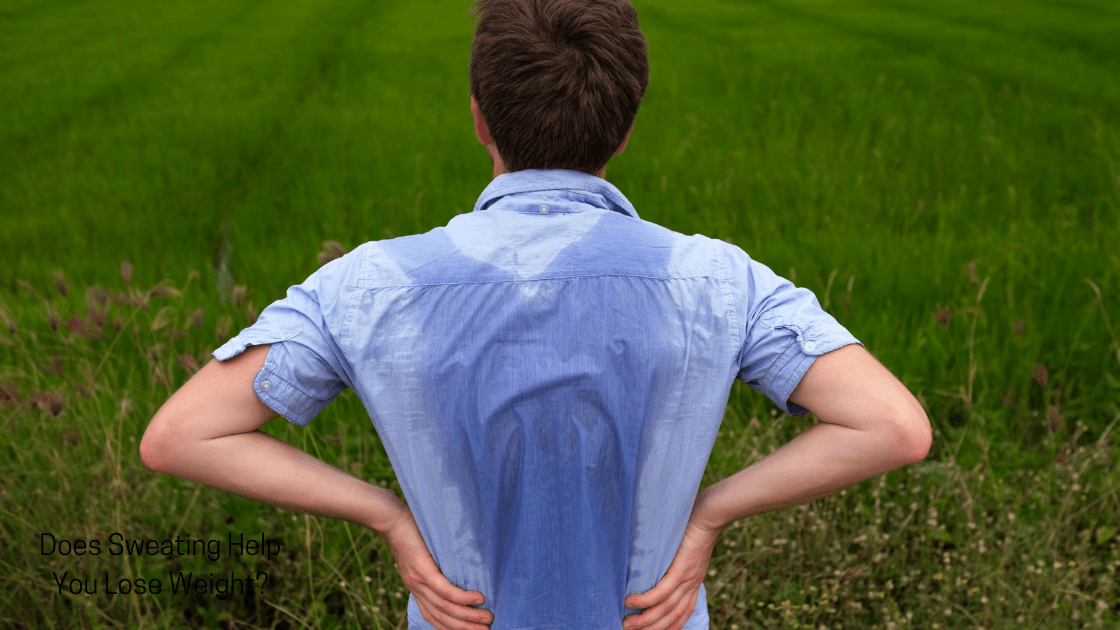
The sweat-soaked shirt seems like proof positive that your body is melting away fat. But here’s the uncomfortable truth: most of that number will vanish the moment you drink a glass of water.
Sweating and weight loss are not the same thing, but they are connected in ways that are worth understanding.
Whether you’re trying to burn fat more effectively, decode your workout results, or separate fitness myth from science, this guide covers everything you need to know.
What Is Sweat, Really?
Sweat is your body’s built-in cooling system. When your core temperature rises — whether from exercise, heat, stress, or illness your roughly 2–4 million sweat glands activate and push a water-based fluid to the surface of your skin.
As that fluid evaporates, it carries heat away from your body, keeping your internal temperature in a safe range.
Sweat is composed mostly of water, about 99% of it, along with small amounts of sodium, chloride, potassium, and trace minerals. The keyword here is water. When you sweat, you are losing fluid, not fat tissue.
Key Fact
Sweat is approximately 99% water. The weight you lose during a sweaty workout is primarily water weight, not fat, and returns as soon as you rehydrate.
Does Sweating Directly Cause Weight Loss?
In a very narrow, technical sense, yes. Sweating reduces your body weight temporarily by depleting water stores.
This is why athletes in weight-class sports (boxing, wrestling, MMA) sometimes use saunas or heavy clothing to “cut weight” before a weigh-in. But this is water weight, and it is not the same as fat loss.
Fat loss the kind that changes your body composition and long-term health, happens through a process called lipolysis, where fat cells release stored fatty acids to be burned as energy. Sweating doesn’t trigger lipolysis. Only a sustained calorie deficit does.
❌ Myth
“The more I sweat, the more fat I’m burning.”
✅ Truth
Sweat volume reflects heat output not calorie burn or fat loss. A hot day makes you sweat more, but doesn’t torch more fat.
The Real Link: Exercise, Sweat, and Calorie Burn
Here’s where the relationship between sweat and weight loss gets meaningful. While sweating doesn’t cause fat loss directly, intense exercise does, and intense exercise usually produces a lot of sweat as a byproduct.
When you exercise hard, your muscles generate heat. Your cardiovascular system works harder. Your metabolism accelerates.
All of this burns calories and the same process heats your body enough to trigger heavy sweating.
So in practice, a sweat-soaked workout often is associated with high calorie expenditure. But the sweat isn’t doing the work. The exercise is.
“Sweat is a symptom of effort, not the mechanism of fat loss. Think of it as the exhaust from the engine, not the engine itself.”
Does a Sweat Rate Predict Calorie Burn?
Not reliably. Your sweat rate is influenced by many factors that have nothing to do with how hard you’re working: ambient temperature, humidity, your fitness level (fit people actually sweat more efficiently and earlier), genetics, gender, and even your hydration status.
Two people doing the same workout at the same intensity can produce very different amounts of sweat while burning nearly identical calories.
What actually determines sweat rate
Ambient temperature and humidity
Hot, humid environments dramatically increase sweat output
Fitness level
Trained athletes begin sweating earlier and sweat more per session
Body size
Larger bodies produce more heat and therefore more sweat
Genetics
The number and activity of sweat glands vary from person to person
Clothing
Insulating layers trap heat and push sweat rate up regardless of exercise intensity
What About Saunas and Sweat Suits?
Saunas, steam rooms, sweat suits, and plastic wraps all make you sweat — sometimes profusely without requiring much physical effort. Do they lead to weight loss?
Temporarily, yes. You’ll see the scale drop after a sauna session. A 20-minute sauna session can cause a person to lose anywhere from 300 ml to 1 liter of water through sweat.
But step on the scale again after drinking a couple of glasses of water, and you’re right back where you started. No fat was burned. No lasting metabolic change occurred.
Repeatedly dehydrating yourself is actually counterproductive to weight loss goals. Dehydration slows metabolism, impairs athletic performance, reduces your ability to exercise at full intensity, and can suppress muscle protein synthesis, all things that work against you in the long run.
⚠️ Caution
Intentional dehydration through sauna overuse or sweat suits carries real health risks, including heat exhaustion, electrolyte imbalance, and in extreme cases, heat stroke. It is not a sustainable or safe weight loss strategy.
What Actually Causes Fat Loss?
Fat loss comes down to energy balance: you need to burn more calories than you consume, consistently, over time.
When your body is in a calorie deficit, it turns to stored fat (and some glycogen and protein) for fuel. That’s it. No shortcut, no sweat trick.
The most effective levers for creating that deficit are.
Resistance training
Builds muscle mass, which raises your basal metabolic rate, meaning you burn more calories even at rest.
Cardiovascular exercise
Burns calories directly during the session and improves heart health and metabolic efficiency over time.
Protein-rich diet
Protein is the most satiating macronutrient and has the highest thermic effect. Your body burns more calories digesting it.
Consistent sleep
Poor sleep disrupts hunger hormones (ghrelin and leptin), increasing appetite and reducing willpower around food choices.
Are There Any Weight Loss Benefits to Sweating?
While sweat itself doesn’t burn fat, there are a few indirect ways in which healthy sweating supports your overall fitness and weight management goals.
It signals you’re working hard enough
If you’re sweating during a workout, that’s generally a sign your heart rate is elevated, and your muscles are working.
While not perfectly correlated, moderate to heavy sweating during exercise often accompanies the kind of calorie expenditure that supports weight loss.
It may support a minor calorie burn in itself
Your body does burn a small number of additional calories in the process of producing and evaporating sweat, because thermoregulation requires energy.
However, this is a very minor contributor to total calorie burn and not something to strategize around.
It’s associated with improved cardiovascular fitness
People who sweat regularly through vigorous exercise tend to develop better cardiovascular conditioning over time, which enables more effective and longer workouts and greater long-term calorie expenditure.
Why Staying Hydrated Matters for Weight Loss
If you’re serious about weight loss, replacing the fluid you lose through sweat isn’t just about comfort. It’s metabolically important.
Research shows that mild dehydration (as little as 1–2% of body weight in fluid loss) can reduce physical performance, impair concentration, and slow your resting metabolic rate.
Staying well-hydrated also helps with appetite regulation. Many people mistake thirst for hunger, leading to unnecessary snacking.
Drinking adequate water before meals has been shown to modestly reduce caloric intake, particularly in middle-aged and older adults.
💧 Hydration guidelines during exercise
- Drink 400–600 ml (14–20 oz) of water 2 hours before exercise
- Sip 150–250 ml (6–8 oz) every 15–20 minutes during activity
- After a sweaty workout, drink 500 ml for every 0.5 kg of body weight lost
- In sessions lasting more than 60 minutes, consider an electrolyte drink to replace sodium and potassium
The Best Exercises for Weight Loss (With or Without Sweat)
The most effective exercises for weight loss are not necessarily the ones that make you sweat the most.
They’re the ones that burn the most calories, preserve muscle, and that you can sustain consistently. Here’s how some popular options compare:
High-Intensity Interval Training (HIIT) alternates short bursts of maximal effort with recovery periods.
It burns significant calories in a short time and creates an “afterburn” effect (excess post-exercise oxygen consumption, or EPOC) that keeps metabolism elevated for hours after the session.
Strength training burns fewer calories per session than cardio but builds metabolically active muscle tissue.
Over months and years, a higher muscle mass means a higher basal metabolic rate, making fat loss easier even on rest days.
Zone 2 cardio (steady-state at 60–70% max heart rate, a comfortable, conversational pace) is highly effective at mobilizing fat as a fuel source and is sustainable for long durations without taxing recovery.
Walking is chronically underrated. It’s low-impact, easy to sustain, and accumulated over time can account for thousands of extra calories burned weekly. It’s also effective at reducing visceral (belly) fat.
The Bottom Line
Sweating is not a mechanism of fat loss. It is a mechanism of cooling. The weight you lose when you sweat is water, and it returns when you rehydrate.
What drives fat loss is a consistent calorie deficit, maintained through a combination of exercise, smart nutrition, adequate sleep, and sustainable habits.
That said, a good sweat often signals you’re putting in genuine effort, and genuine effort, over time, is exactly what produces real results. Don’t chase the sweat. Chase the work behind it.
FAQ: Does Sweating Help You Lose Weight?
Can you lose belly fat by sweating?
No. You cannot spot-reduce fat through sweating. Belly fat (including visceral fat) is reduced through overall calorie deficit, not through localized sweating in the abdominal area.
Exercises that engage the core may strengthen those muscles, but won’t selectively melt fat from that region.
Is it bad if you don’t sweat during a workout?
Not necessarily. Some people sweat less due to genetics, good fitness-related thermoregulation, or cool ambient conditions, yet still work very hard and burn plenty of calories. Lack of sweat doesn’t mean a poor workout.
Do you burn more calories in a hot room?
Marginally. Higher heat increases heart rate somewhat, which slightly increases calorie burn.
But the effect is small and doesn’t justify exercising in dangerously hot conditions.
The primary effect of heat on exercise is increased sweating, not increased fat burning.
Is sweating a sign of a good metabolism?
Not directly. Sweat rate is more related to thermoregulatory efficiency than metabolic rate.
That said, people with higher metabolic rates tend to generate more body heat during exertion, which can lead to more sweating. But the relationship is indirect.
Why do I lose weight overnight without sweating?
You do actually sweat overnight, around 300–700 ml on average through what’s called insensible perspiration (sweat you don’t notice).
You also exhale water vapor during breathing. Combined, these account for most of the 1–2 lbs many people lose overnight.