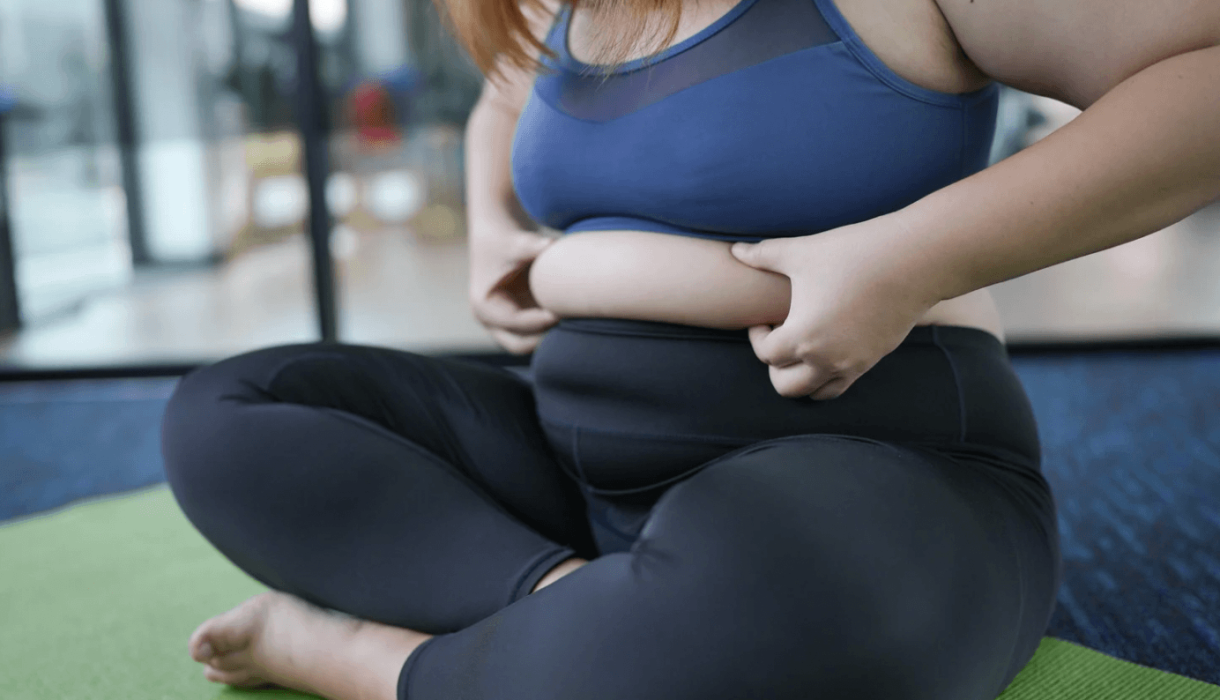

Belly fat is one of the most stubborn types of fat to lose and one of the most important to address.
Excess fat around your midsection isn’t just a confidence issue; visceral fat (the kind that wraps around your internal organs) is linked to increased risk of heart disease, type 2 diabetes, and metabolic syndrome.
The good news? The right exercises can make a significant dent in belly fat, especially when combined with a smart diet.
In this guide, we break down the 15 best exercises to lose belly fat, how they work, and how to include them in your routine.
Why You Can’t Spot-Reduce Belly Fat
Before diving into the exercises, here’s an important truth: you cannot spot-reduce fat. Doing 500 crunches a day won’t melt fat specifically from your stomach.
Fat loss happens systemically meaning your body burns fat from all over when you’re in a calorie deficit.
What targeted exercises do is.
- Strengthen and tone the underlying abdominal muscles
- Boost your metabolism so you burn more calories overall
- Improve hormonal balance, reducing fat storage in the belly area
The exercises below are chosen because they burn the most calories, trigger fat-burning hormones, and build lean muscle that keeps your metabolism elevated.
The 15 Best Exercises to Lose Belly Fat
Burpees
Why it works
Burpees are a full-body explosive movement that spikes your heart rate fast, burning a massive number of calories in a short time. They engage your core, chest, arms, quads, and glutes simultaneously.
How to do it
- Stand with feet shoulder-width apart.
- Drop into a squat and place your hands on the floor.
- Jump your feet back into a high plank position.
- Perform a push-up, then jump your feet forward.
- Explode upward into a jump, reaching your arms overhead.
Pro tip
Aim for 3 sets of 10–15 reps. Even 10 minutes of burpees can burn 100+ calories.
High-Intensity Interval Training (HIIT)
Why it works: HIIT alternates short bursts of intense effort with brief rest periods.
Studies show HIIT is one of the most effective methods for reducing visceral belly fat, more so than steady-state cardio.
Sample HIIT workout (20 minutes)
- 40 seconds on / 20 seconds rest
- Exercises: jumping jacks, mountain climbers, squat jumps, high knees
Pro tip: Do HIIT 3–4 times per week for maximum fat-burning results.
Mountain Climbers
Why it works: Mountain climbers combine cardio and core work in one move. Your abs are under constant tension as you drive your knees toward your chest, making this a top belly-fat burner.
How to do it
- Start in a high plank position with hands directly under shoulders.
- Drive your right knee toward your chest, then quickly switch to the left.
- Continue alternating at a fast pace.
Pro tip: Keep your hips level and core tight throughout; don’t let your lower back sag.
Running (Especially Sprint Intervals)
Why it works: Running is one of the highest-calorie-burning exercises available. Sprint intervals, in particular, have been shown to reduce abdominal fat more effectively than jogging at a steady pace.
How to incorporate it.
- Warm up with a 5-minute jog
- Sprint at 80–90% effort for 30 seconds
- Walk or jog for 60–90 seconds
- Repeat 8–10 times
Pro tip: You don’t need a track, treadmills, hills, or open fields; all work.
Cycling
Why it works
Cycling, whether outdoors or on a stationary bike, is a low-impact, high-calorie-burning cardio option that’s easy on the joints. It also engages your core for stabilization, especially during standing climbs.
How to do it
Aim for 45–60 minutes of moderate cycling, or 20–30 minutes of high-intensity cycling intervals.
Pro tip
Spin classes are excellent for fat loss because instructors push you harder than you might push yourself.
Rowing Machine
Why it works
Rowing is a full-body workout that recruits your legs, back, shoulders, and core all at once.
It burns more calories per minute than many common exercises and has minimal joint impact.
How to do it
- Maintain a strong posture don’t hunch.
- Drive through your legs first, then lean back slightly, then pull the handle to your lower chest.
- Return in reverse order.
Pro tip: 20 minutes of rowing can burn 250–400 calories, depending on intensity.
Deadlifts
Why it works
Deadlifts are arguably the king of strength training for fat loss. They recruit more muscle groups than almost any other exercise, causing a massive metabolic response that burns fat long after your workout ends the so-called “afterburn effect” (EPOC).
How to do it
- Stand with feet hip-width apart, barbell over mid-foot.
- Hinge at the hips, grip the bar just outside your legs.
- Brace your core, keep your back flat, and drive through your heels to stand.
- Lower with control.
Pro tip: Start light and prioritize form. Poor deadlift form leads to injury.
Squats
Why it works
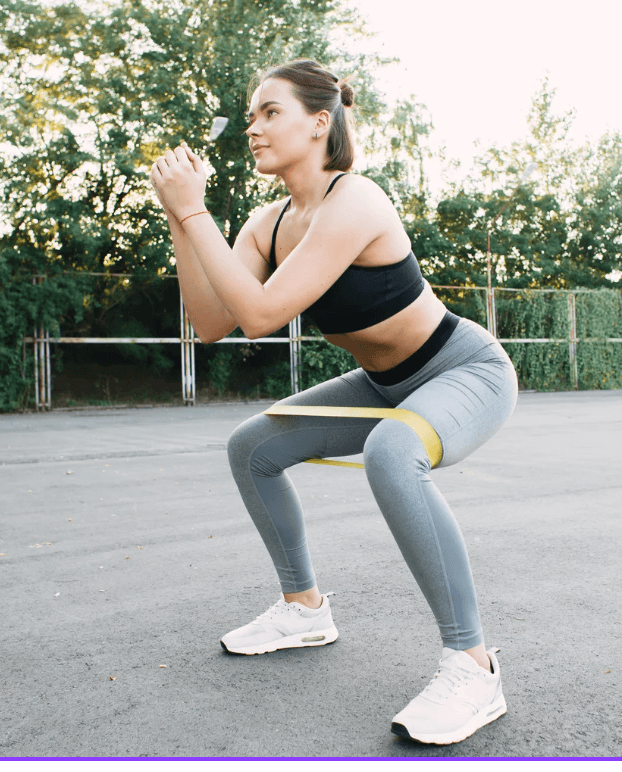
Squats build the large muscles of your lower body (glutes, quads, hamstrings), which are the biggest metabolic furnaces in your body. More muscle = more calories burned at rest.
How to do it
- Stand feet shoulder-width apart.
- Push hips back and bend knees, keeping chest tall.
- Lower until thighs are parallel to the floor.
- Drive through heels to return to standing.
Pro tip
Add weight with a barbell or dumbbells as you get stronger to continue challenging your muscles.
Plank Variations
Why it works
Planks build deep core muscles, including the transverse abdominis, which is what pulls your abdomen in and gives you a tighter midsection.
Stronger core muscles also improve posture, making your stomach appear flatter.
Plank variations to try
- Standard forearm plank: Hold for 30–60 seconds
- Side plank: Targets obliques
- Plank with hip dips: Adds rotation for extra burn
- Plank with shoulder taps: Adds anti-rotation challenge
Pro tip
Quality over duration. A 20-second plank with perfect form beats a 60-second one with a sagging back.
Kettlebell Swings
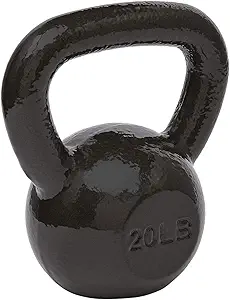
Why it works
Kettlebell swings are a powerful combination of cardio and strength. The explosive hip hinge movement fires your glutes, hamstrings, and core while keeping your heart rate elevated, ideal for fat loss.
How to do it
- Stand with feet slightly wider than hip-width, kettlebell between feet.
- Hinge forward at the hips and grasp the kettlebell.
- Hike it back between your legs, then drive your hips forward explosively.
- Let the kettlebell swing to chest height, then control it back down.
Pro tip
This is a hip-hinge movement, not a squat. Keep your back flat and power the swing from your hips.
Jump Rope
Why it works
Jumping rope burns up to 10–16 calories per minute, making it one of the most calorie-dense exercises you can do. It also improves coordination and engages your core muscles throughout.
How to do it
- Jump for 30–60 seconds, rest for 30 seconds.
- Repeat for 15–20 minutes.
Pro tip
If you’re new to jump rope, start slow and focus on timing. Even basic jumps are highly effective.
Swimming
Why it works
Swimming engages virtually every muscle in your body with zero impact on your joints.
An hour of vigorous swimming can burn 500–700 calories, and the water resistance builds lean muscle.
Best strokes for fat loss
- Butterfly: Most calorie-intensive
- Freestyle: High-intensity and sustainable
- Breaststroke: Great for beginners
Pro tip: Mix strokes and intensities during your session to keep your body guessing.
Walking (Yes, Really)
Why it works
Don’t underestimate walking. Consistent daily walking especially at a brisk pace, has been shown in research to meaningfully reduce visceral fat over time, with less stress on the body than intense workouts.
How to make it more effective
- Aim for 8,000–10,000 steps per day
- Add incline (hills or treadmill incline) to increase calorie burn
- Walk after meals to improve insulin sensitivity
Pro tip: Walking is sustainable. Doing it every day beats doing HIIT twice a week.
Russian Twists
Why it works: Russian twists target your obliques the muscles on the sides of your abdomen, as well as your rectus abdominis. Strengthening these muscles improves core definition as fat is lost.
How to do it
- Sit on the floor with knees bent, feet slightly raised.
- Lean back slightly to a 45° angle.
- Hold a weight or medicine ball with both hands.
- Rotate your torso to the right, then to the left.
Pro tip: Keep your back straight don’t round forward as you twist.
Leg Raises
Why it works
Leg raises directly target the lower abdominal muscles, which are often the hardest area to tone.
Combined with fat loss from cardio and diet, they reveal a stronger, tighter lower belly.
How to do it
- Lie flat on your back, hands under your glutes for support.
- Keep legs straight and raise them to 90°.
- Lower them slowly without letting them touch the floor.
- Repeat for 12–15 reps.
Pro tip: The slower you lower, the harder your abs work.
How to Structure Your Belly Fat Workout Week
Here’s a sample weekly schedule combining the exercises above.
| Day | Workout Focus |
|---|---|
| Monday | HIIT (20 min) + Planks + Russian Twists |
| Tuesday | Strength: Deadlifts + Squats + Kettlebell Swings |
| Wednesday | Active Recovery: Brisk Walk (45 min) |
| Thursday | HIIT (20 min) + Mountain Climbers + Leg Raises |
| Friday | Strength: Full-body lifting + Core finisher |
| Saturday | Cycling or Swimming (45–60 min) |
| Sunday | Rest or light walking |
Exercises Alone Won’t Cut It: The Diet Factor
Exercise is essential, but you cannot out-train a bad diet. For belly fat loss, focus on:
- Eating in a calorie deficit: even 300–500 calories below maintenance
- Prioritizing protein: 0.8–1g per pound of bodyweight helps preserve muscle
- Reducing ultra-processed foods and added sugars: these spike insulin and promote fat storage
- Getting enough sleep: Poor sleep elevates cortisol, a key belly-fat-promoting hormone
- Managing stress: chronic stress leads to elevated cortisol and increased visceral fat
Frequently Asked Questions
How long does it take to lose belly fat with exercise?
Most people begin seeing noticeable changes in 4–8 weeks with regular exercise and a calorie-controlled diet. Visceral fat often responds faster than subcutaneous fat.
How many times a week should I exercise to lose belly fat?
Aim for at least 4–5 sessions per week, mixing cardio and strength training. Consistency over time is what drives results.
Is cardio or strength training better for losing belly fat?
Both. Cardio burns more calories during the session; strength training builds muscle that raises your resting metabolism. The best approach combines both.
Can I lose belly fat without going to the gym?
Absolutely. Burpees, mountain climbers, jump rope, walking, and bodyweight exercises can all be done at home with zero equipment.
Final Thoughts
There’s no single magic exercise that will melt your belly fat overnight. But combining high-intensity cardio, strength training, and consistent core work while staying in a calorie deficit is the most effective approach science has to offer.
Pick 3–5 exercises from this list, stay consistent for at least 8–12 weeks, and pair your workouts with a clean diet. The results will come.
Looking for more evidence-based weight loss strategies? Browse the Weight Loss Dossier for guides, meal plans, and expert tips.