
Eating less doesn’t have to mean feeling miserable. That’s the dirty little secret the diet industry doesn’t want you to know: the right foods can keep you full, energized, and satisfied even when you’re running at a calorie deficit.
The problem most people hit when they try to cut calories isn’t willpower. It’s a food choice.
When you’re eating the wrong things, processed snacks, refined carbs, foods that spike and crash your blood sugar, a calorie deficit feels like torture.
But when you load your plate with the foods on this list? You barely notice you’re in a deficit at all.
This guide breaks down the best foods to eat on a calorie deficit, why they work, and exactly how to use them to stay full, burn fat, and actually stick to your plan.
Why Food Choice Matters on a Calorie Deficit
A calorie deficit means consuming fewer calories than your body burns. That’s the non-negotiable foundation of fat loss.
But two people can eat the same number of calories and have wildly different experiences.
One is satisfied, energized, and consistent. The other is hungry, irritable, and quitting by day four.
The difference comes down to satiety how full and satisfied you feel per calorie consumed.
Several key factors drive satiety
- Protein: the most filling macronutrient, it slows digestion and reduces hunger hormones
- Fiber: adds bulk to food, slows gastric emptying, and feeds gut bacteria linked to appetite regulation
- Volume: high-water, high-fiber foods physically fill your stomach with fewer calories
- Nutrient density: Foods rich in vitamins and minerals help your body feel nourished rather than depleted
The foods below score high on all of these dimensions. They give you the most satiety, nutrition, and volume per calorie, which is exactly what you need when you’re eating in a deficit.
The Best Foods to Eat on a Calorie Deficit
Eggs
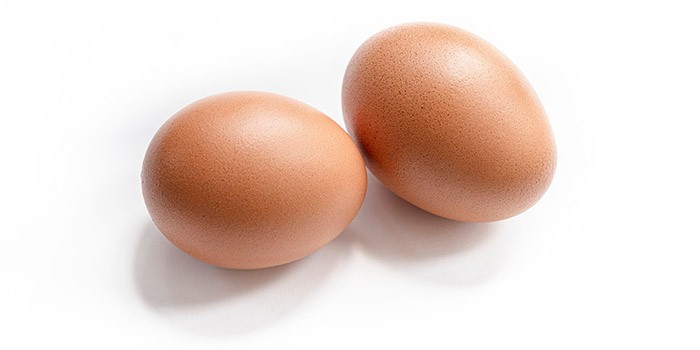
Eggs are one of the most satiating foods you can eat, full stop. A large egg contains about 70 calories but packs 6 grams of high-quality protein and a rich mix of vitamins, including B12, D, and choline.
Studies consistently show that eating eggs at breakfast reduces calorie intake for the rest of the day compared to high-carb breakfasts with the same calorie count.
The protein and fat combination triggers satiety hormones and keeps hunger at bay for hours.
How to use them
Scrambled, boiled, poached, or as a veggie-packed omelette. Three eggs with spinach and mushrooms come in around 300 calories and keep most people full for 4–5 hours.
Chicken Breast
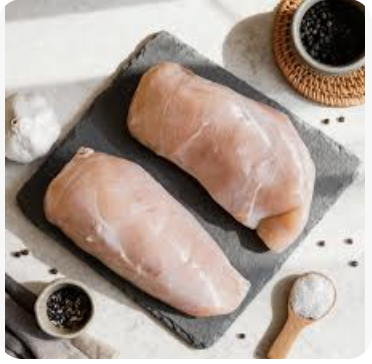
Lean protein is the cornerstone of any successful calorie deficit, and chicken breast is one of the best sources available.
A 4-oz serving provides roughly 26 grams of protein for only about 130 calories an almost unbeatable protein-to-calorie ratio.
Protein has the highest thermic effect of any macronutrient, meaning your body burns more calories digesting it than it does digesting carbs or fat.
It also directly suppresses ghrelin (the hunger hormone) and boosts peptide YY, a hormone that signals fullness.
How to use it
Meal prep a batch at the start of the week. Season with spices, herbs, and a small amount of healthy fat. Pair with roasted vegetables and a complex carb for a complete, filling meal.
Greek Yogurt
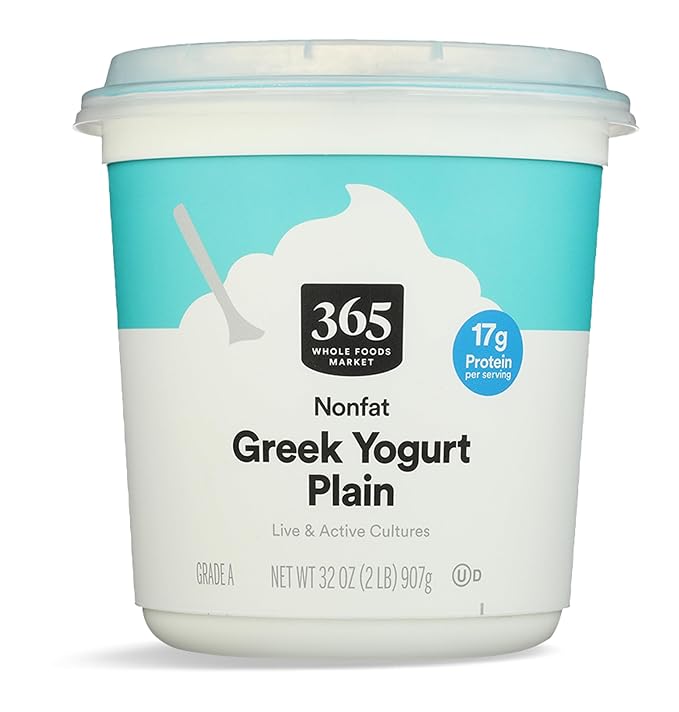
Plain, non-fat Greek yogurt is a calorie-deficient powerhouse. A 6-oz serving typically contains 15–17 grams of protein for around 90–100 calories.
It’s also rich in calcium and probiotics, which support gut health increasingly linked to appetite regulation and metabolic health.
The thick, creamy texture of Greek yogurt makes it feel indulgent even when it’s not. It satisfies the urge for something rich without blowing your calorie budget.
How to use it
Eat it plain with berries, use it as a base for dips and dressings, or swap it in for sour cream, mayo, or cream in recipes.
Leafy Greens (Spinach, Kale, Arugula, Romaine)
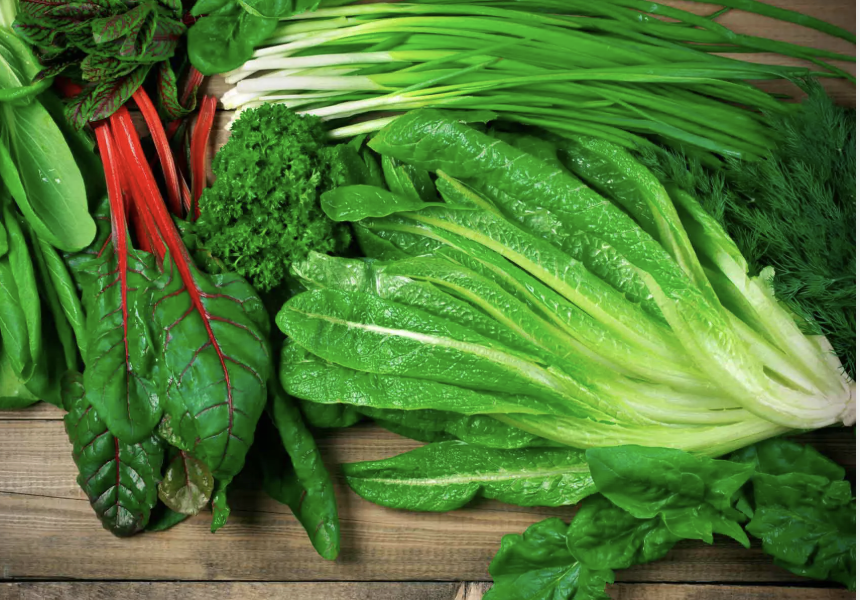
If there’s one category of food you should eat in almost unlimited quantities on a calorie deficit, it’s leafy greens.
Spinach, kale, romaine, and arugula contain only 5–25 calories per cup but provide enormous volume, fiber, and micronutrients, including iron, folate, vitamin K, and magnesium.
Volume is a powerful satiety tool. Your stomach has stretch receptors that signal fullness based partly on how much physical space food takes up.
A massive salad made with leafy greens occupies a lot of space for very few calories.
How to use them
Build your meals around greens. A 3-cup base of spinach with protein and vegetables creates a satisfying meal for under 400 calories total.
Add lemon juice, vinegar-based dressings, or a tablespoon of olive oil for flavor without calorie overload.
Cruciferous Vegetables (Broccoli, Cauliflower, Brussels Sprouts, Cabbage)
Cruciferous vegetables are fiber-dense, filling, and surprisingly low in calories. A full cup of cooked broccoli, for example, contains about 55 calories and 5 grams of fiber, which is nearly 20% of the recommended daily intake.
The fiber in cruciferous vegetables slows digestion, feeds beneficial gut bacteria, and keeps blood sugar stable, all of which reduce hunger and cravings between meals.
They’re also rich in glucosinolates, compounds with anti-inflammatory and metabolic benefits.
How to use them: Roast with olive oil spray and seasoning for a deeply satisfying side dish. Cauliflower can be riced, mashed, or turned into pizza crust for low-calorie versions of comfort foods.
Legumes (Lentils, Black Beans, Chickpeas)
Legumes are one of the most underrated foods for weight loss. They’re high in both protein and fiber, a rare combination that makes them exceptionally filling.
A half-cup of cooked lentils provides around 115 calories, 9 grams of protein, and 8 grams of fiber.
The combination of protein and fiber slows digestion, stabilizes blood sugar, and provides long-lasting energy, making legumes ideal for people who struggle with hunger or energy crashes on a calorie deficit.
How to use them
Add black beans to salads, make lentil soup, blend chickpeas into hummus, or use them as a protein base in bowls.
They’re also budget-friendly, an important consideration if you’re eating healthy on a tight budget.
Berries (Strawberries, Blueberries, Raspberries)
Fruit gets an unfair reputation in diet culture, but berries are genuinely exceptional for fat loss.
Raspberries, for instance, pack 8 grams of fiber per cup for only 65 calories. Strawberries are over 90% water and extremely low in calories relative to their volume and sweetness.
Berries satisfy sugar cravings in a way that supports rather than derails your deficit.
The fiber slows how quickly the natural sugars enter your bloodstream, preventing the spike-and-crash cycle that drives cravings for more food.
How to use them
Add berries to Greek yogurt, oatmeal, or smoothies. Keep frozen berries on hand. They’re cheaper and nutritionally equivalent to fresh.
Oats
Oats have a unique fiber called beta-glucan, which forms a thick gel in your digestive tract that slows gastric emptying and significantly increases satiety.
Multiple studies have found that oat-based breakfasts lead to greater fullness and lower calorie intake at subsequent meals compared to other breakfast options.
A half-cup of dry rolled oats (cooked) provides about 150 calories, 5 grams of protein, and 4 grams of fiber, a solid, affordable breakfast that keeps you full well into the morning.
How to use them
Overnight oats made with Greek yogurt, chia seeds, and berries create a high-protein, high-fiber breakfast that’s ready to go in the morning. Avoid instant flavored oats they’re loaded with added sugar.
Cottage Cheese
Cottage cheese has had a major resurgence in the nutrition world, and for good reason.
Low-fat cottage cheese provides around 25 grams of protein per cup for approximately 180 calories.
It’s also high in casein protein, a slow-digesting protein that suppresses appetite for several hours and has been shown to reduce overnight hunger when eaten before bed.
How to use it: Eat it plain, blend it into smoothies for a creamy protein boost, or use it as a base for savory dips. Mix with fruit and a drizzle of honey for a dessert-like high-protein snack.
Salmon and Fatty Fish
Salmon is higher in calories than lean proteins like chicken breast, but it earns its place on this list for one key reason: omega-3 fatty acids.
These healthy fats have been shown to reduce inflammation, improve insulin sensitivity, and directly influence hunger-regulating hormones.
A 4-oz serving of salmon provides around 235 calories and a massive 25 grams of protein.
The combination of protein and healthy fat makes it one of the most satisfying foods you can eat on a deficit.
How to use it
Aim to include fatty fish 2–3 times per week. Canned salmon and sardines are affordable alternatives to fresh fish and work well in salads, on whole-grain crackers, or mixed into pasta dishes.
Soup (Especially Broth-Based)
Research has consistently shown that eating soup before or as a meal significantly reduces total calorie intake.
The liquid volume and the time it takes to eat soup both contribute to earlier satiety signaling.
Broth-based soups with vegetables and protein can be an entire filling meal for 200–350 calories.
The key is the water content. The same ingredients eaten as a solid meal produce less satiety than when consumed as soup. This is one of the simplest calorie deficit hacks available.
How to use it: Prepare large batches of vegetable and legume soups at the start of the week.
Bone broth-based soups are especially high in protein. Avoid cream-based soups, which are calorie-dense without the same satiety benefits.
Apples
“An apple a day” is cliché for a reason. Apples are one of the most filling fruits available, thanks to their high fiber content (about 4–5 grams per apple) and high water content.
They also contain pectin, a type of soluble fiber that has been specifically linked to increased satiety and reduced calorie intake.
A medium apple contains around 95 calories and takes real time and effort to eat — both factors that contribute to fullness.
Research suggests the act of chewing whole foods (as opposed to drinking calories) further enhances satiety signals.
How to use them
Eat apples as a snack between meals with a tablespoon of almond butter, or slice them over oatmeal for added fiber and natural sweetness.
Tofu and Tempeh
For plant-based eaters, tofu and tempeh are among the most effective calorie-deficient foods available.
Firm tofu provides about 80 calories per 3.5-oz serving with 9 grams of protein and minimal fat.
Tempeh is even denser in protein around 19 grams per 3.5 oz with the added benefit of fermentation, which supports gut health.
Both absorb the flavors of whatever they’re cooked with, making them extremely versatile in deficit-friendly cooking.
How to use them: Marinate and bake tofu for meal prep. Use crumbled tempeh as a ground meat substitute in tacos, pasta sauce, and stir-fries.
Water and Zero-Calorie Beverages
Not technically a food, but worth including: drinking water before and during meals has been shown to increase satiety and reduce meal-time calorie intake.
Plain water, sparkling water, and unsweetened herbal teas add volume and hydration with zero calories.
Staying well-hydrated also prevents thirst from being misread as hunger — a common issue that leads to unnecessary snacking.
How to use it
Drink a large glass of water 20–30 minutes before each meal. Keep a water bottle with you throughout the day. Sparkling water can help curb soda cravings without the calories.
How to Build Meals Around These Foods
The best approach to a calorie deficit isn’t to track every gram obsessively it’s to build a default meal template that naturally keeps you full and within your calorie range.
Here’s a simple framework:
Half your plate
Non-starchy vegetables (leafy greens, cruciferous vegetables, cucumbers, peppers)
Quarter of your plate
Lean protein (chicken, fish, eggs, Greek yogurt, legumes, tofu)
Quarter of your plate
Complex carbs or fruit (oats, sweet potato, berries, legumes)
Flavor
Herbs, spices, vinegar, lemon juice, and a small amount of healthy fat (olive oil, avocado)
This structure naturally lands most meals in the 350–550 calorie range while providing enormous volume, fiber, and protein the three pillars of staying full on a deficit.
Foods to Minimize on a Calorie Deficit
Just as important as knowing what to eat is knowing what to avoid. These foods are calorie-dense, low in satiety, and easy to overconsume:
- Ultra-processed snacks: chips, crackers, cookies. Engineered to override satiety signals.
- Liquid calories: juice, soda, specialty coffee drinks, alcohol. Calories with almost no satiety benefit.
- White bread and refined grains: spike blood sugar quickly and leave you hungry again fast.
- High-calorie condiments: ranch dressing, mayo, and bottled sauces can add hundreds of hidden calories.
- Calorie-dense “health foods”: granola, trail mix, nut butters in large amounts. Healthy, but easy to overeat.
None of these is completely off-limits
Calorie deficit success comes from consistency, not perfection. But these foods work against you on a deficit, while the foods on the main list work with you.
The Bottom Line
The best foods to eat on a calorie deficit share a common thread: they give your body more for less. More protein, more fiber, more volume, more nutrition all per calorie consumed.
You don’t need to white-knuckle your way through hunger on a deficit. When you structure your meals around lean proteins, high-fiber vegetables, legumes, and whole foods, staying within your calorie budget becomes dramatically easier and more sustainable over the long term.
Start by replacing just one meal a day with something from this list. Build from there. Consistency compounds, and the results will follow.